

Email remains one of the highest-ROI marketing channels, but manual list management, content creation, and testing are slow and error‑prone. AI‑powered email platforms automate these repetitive tasks and continuously optimize campaigns based on data, so you can focus on strategy and creative direction. From drafting copy to predicting send times and segmenting audiences, these tools act like an always‑on optimization engine for your email program.
Benefits of Using AI in Email Marketing
1. Hyper‑personalization at scale: AI uses behavior, purchase history, and preferences to tailor subject lines, product recommendations, and content blocks for each subscriber.
2. Better timing and deliverability: Predictive send‑time optimization chooses when each contact is most likely to open, improving engagement and inbox placement.
3. Faster content production: AI writers can draft full campaigns, subject lines, and variants from a short prompt, speeding up testing and iteration.
4. Smarter segmentation: AI finds high‑value segments based on likelihood to buy, churn risk, or engagement level, which is hard to do manually at scale.
5. Revenue optimization: For ecommerce, AI‑driven product recommendations and automated flows (abandoned cart, browse abandonment, win‑back) directly lift revenue per email.
8 Best AI Tools for Email Marketing (2026)
1. ActiveCampaign — Best for AI‑First Lifecycle Automation
ActiveCampaign combines email, automation, and CRM with strong AI to plan and optimize full customer journeys.
Key Features
1. AI assistants to draft campaigns and automation flows from prompts
2. Predictive send‑time optimization
3. Advanced behavioral segmentation
4. Built‑in CRM and sales pipelines
5. Visual automation builder with A/B testing
Best For: Brands that need sophisticated, multi‑step lifecycle automation (B2B, SaaS, info‑products).
Main Strength: Powerful automation engine plus embedded AI that optimizes both content and journeys.
Limitation: Can get expensive and complex as your list and workflows grow.
Pricing (Typical Starting Points)
| Plan | Price (from) | What’s Included (email/AI relevant) |
| Lite / Starter | ~19–39 USD/month | Basic email, automations, templates, CRM basics |
| Plus | ~59–70 USD/month | Core AI features, advanced automation |
| Professional | ~79–159 USD/month | Predictive sending, advanced reporting |
| Enterprise | Custom | Enterprise‑grade features and support |
2. Klaviyo - Best for Ecommerce‑Grade AI Personalization
Klaviyo is built around ecommerce data and uses AI to personalize email and SMS campaigns for online stores.
Key Features
1. K:AI to help build campaigns and flows from prompts
2. Predictive analytics (churn, LTV, next order date)
3. Dynamic product recommendations
4. Deep Shopify/WooCommerce integrations
5. Powerful, real‑time segmentation
Best For: Ecommerce and DTC brands that rely on store data to drive sales.
Main Strength: Excellent ecommerce data model and predictive features for highly personalized flows.
Limitation: Pricing is premium and overkill for simple newsletters or non‑commerce use cases.
Pricing (Typical Starting Points)
| Plan | Price (from) | What’s Included |
| Free | 0 USD | Limited emails/contacts, core features |
| ~45 USD/month | Standard email features + basic AI | |
| Email & SMS | Higher tier, scalable | Email + SMS, more advanced analytics/prediction |
3. Mailchimp — Best for Beginners Using AI
Mailchimp offers an easy interface with built‑in AI so beginners can quickly draft and optimize campaigns.
Key Features
1. AI content generator for subject lines and copy
2. Send‑time optimization
3. Basic product recommendations for connected stores
4. Templates and drag‑and‑drop editor
5. Simple customer journeys
Best For: Small businesses and creators starting with AI‑assisted email.
Main Strength: Very low learning curve and large template library.
Limitation: Advanced AI and automation are limited, and pricing rises with contact count.
Pricing (Typical Starting Points)
| Plan | Price (from) | What’s Included |
| Free | 0 USD | Basic email, limited contacts |
| Essentials | ~13–20 USD/month | Core email + basic automations |
| Standard | ~20–30+ USD/month | Send‑time optimization, better automations |
| Premium | Higher tiers | Advanced segmentation, higher limits |
4. Omnisend — Best for Omnichannel Ecommerce (Email + SMS)
Omnisend focuses on ecommerce brands that want email, SMS, and push notifications in one place.
Key Features
1. AI email writer for quick copy generation
2. AI‑driven product recommendations
3. Omnichannel workflows (email, SMS, push)
4. Pre‑built ecommerce automations
5. Pop‑ups and forms for list growth
Best For: Online stores wanting unified email + SMS campaigns with strong ecommerce flows.
Main Strength: Ecommerce‑focused automations that drive revenue quickly.
Limitation: Less suited to B2B/content newsletters; SMS can raise total costs at scale.
Pricing (Typical Starting Points)
| Plan | Price (from) | What’s Included |
| Free | 0 USD | Core email, limited subscriber/emails |
| Standard | ~16 USD/month | Email campaigns, automations, basic reports |
| Pro | Higher tiers | Advanced reporting, higher limits, SMS credits |
5. MailerLite -Best for Simple, Affordable AI‑Assisted Newsletters
MailerLite offers a clean, minimal interface with an AI assistant for fast content creation.
Key Features
1. AI assistant for subject lines and email copy
2. Drag‑and‑drop editor with modern templates
3. Basic automation workflows
4. Landing pages and simple websites
5. Tags, segments, and basic analytics
Best For: Solopreneurs, bloggers, and small businesses on a budget.
Main Strength: User‑friendly and affordable with just enough AI to speed up writing.
Limitation: Limited predictive analytics and advanced ecommerce features.
Pricing (Typical Starting Points)
| Plan | Price (from) | What’s Included |
| Free | 0 USD | Basic email, limited subscribers |
| Growing Biz | ~10–15 USD/month | More emails, automations, templates |
| Advanced | ~18+ USD/month | AI assistant, advanced features |
6. HubSpot Marketing Hub (Email) - Best for CRM‑Driven Personalization
HubSpot connects email directly to its CRM, using AI to personalize and optimize based on rich customer data.
Key Features
1. AI email writer from a short brief
2. Deep personalization using CRM and behavior data
3. Send‑time optimization and testing tools
4. Advanced workflows and lead scoring
5. Unified reporting across marketing, sales, and service
Best For: Growing and enterprise businesses using HubSpot CRM or planning to centralize their stack.
Main Strength: Very rich first‑party data for precise targeting and personalization.
Limitation: Total cost can be high, and setup is more complex than standalone tools.
Pricing (Typical Starting Points)
| Plan | Price (from) | What’s Included |
| Starter (Marketing) | ~20–50 USD/month | Basic email, simple automation |
| Professional | Hundreds USD/month | Advanced automations, A/B tests, AI tools |
| Enterprise | Higher custom pricing | Custom objects, advanced governance |
7. GetResponse - Best for All‑in‑One Funnels + AI Email
GetResponse bundles email, automation, landing pages, and webinars, with AI features focused on ecommerce and campaign building.
Key Features
1. AI product recommendations
2. AI campaign generator
3. Automation workflows and funnels
4. Landing page and website builder
5. Webinar hosting
Best For: Online businesses wanting most of their marketing funnel in one platform.
Main Strength: Broad feature set that reduces the need for multiple tools.
Limitation: Interface can feel dated, and mastering everything takes time.
Pricing (Typical Starting Points)
| Plan | Price (from) | What’s Included |
| Basic / Email | ~19 USD/month | Core email marketing |
| Marketing | Higher tiers | Automation builder, more features |
| Ecommerce | Higher tiers | Product recommendations, ecommerce focus |
8. Encharge - Best for SaaS & Product‑Led Growth
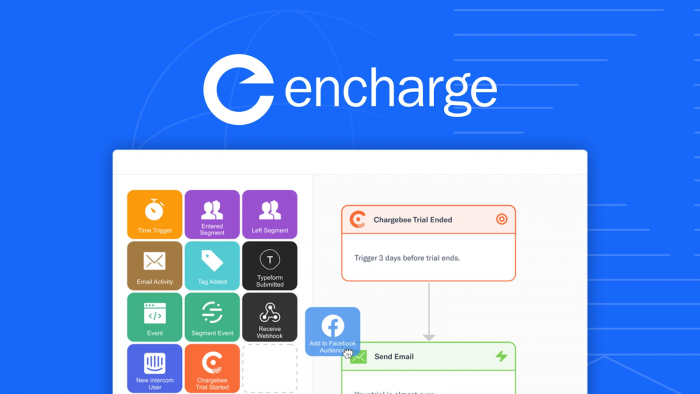
Encharge is built for SaaS, using behavioral and in‑app events to drive lifecycle email automation.
Key Features
1. AI content generation for lifecycle emails
2. Behavior‑based flows triggered by product usage
3. Visual journey builder for onboarding and activation
4. Integrations with product analytics and SaaS tools
5. Segmentation by traits, plans, and usage
Best For: SaaS and B2B products that need emails tied closely to in‑product behavior.
Main Strength: Strong behavior‑driven automation aligned with product‑led growth.
Limitation: Smaller ecosystem and fewer plug‑and‑play ecommerce templates than bigger tools.
Pricing (Typical Starting Points)
| Plan | Price (from) | What’s Included |
| Core plans | Mid‑range pricing | Email, automations, behavior‑based flows |
| Higher tiers | Higher pricing | More contacts, advanced features |
Quick Comparison Table: AI Email Tools at a Glance
| Tool | Best For | Main Strength | Typical Starting Price* |
| ActiveCampaign | Lifecycle automation + CRM | Deep automation + AI journeys | ~19–39 USD/mo |
| Klaviyo | Ecommerce & DTC | Predictive analytics + store data | ~45 USD/mo |
| Mailchimp | Beginners & small business | Simple UI + easy AI | ~13–20 USD/mo |
| Omnisend | Ecommerce omnichannel (email+SMS) | Ready‑made ecommerce automations | ~16 USD/mo |
| MailerLite | Creators & small brands | Simple, affordable AI writing | ~10–15 USD/mo |
| HubSpot | Scaling/enterprise with CRM | CRM‑driven personalization | ~20–50 USD/mo (starter) |
| GetResponse | All‑in‑one funnels + webinars | Broad toolkit beyond email | ~19 USD/mo |
| Encharge | SaaS & product‑led growth | Behavior‑driven lifecycle flows | Mid‑range tiers |
*Pricing is indicative and scales with contacts and features; always confirm current rates on the official sites.
Tips to Choose the Right AI Email Tool
1. Start from your business model
a. Ecommerce/DTC: Klaviyo, Omnisend, GetResponse
b. SaaS/B2B: ActiveCampaign, HubSpot, Encharge
c. Creators/SMBs: Mailchimp, MailerLite
2. Check integrations and data sources
Make sure the tool connects smoothly to your store, CRM, and analytics so AI can learn from accurate data.
3. Clarify which AI features you actually need
Do you care more about AI writing, predictive timing, product recommendations, or segmentation? Prioritize tools that are strongest in your top 1–2 areas.
4. Consider learning curve and team size
Smaller teams benefit from simpler tools (Mailchimp, MailerLite, Omnisend), while advanced stacks (ActiveCampaign, Klaviyo, HubSpot) suit teams ready to invest time in setup.
5. Think about scale and total cost
Look at how pricing grows with contacts, emails, and SMS volume; choose a platform that remains viable as you scale.
Final Verdict
AI has moved from “nice‑to‑have” to “must‑have” in email marketing, with modern platforms using it to personalize content, optimize timing, and run revenue‑driving automations with minimal manual effort. Your best tool will depend on your business model and maturity: ecommerce brands often win with Klaviyo or Omnisend, SaaS and B2B with ActiveCampaign, HubSpot, or Encharge, and lean creators with Mailchimp, MailerLite, or GetResponse. Start with one platform that fits your stack, enable a few high‑impact AI features, and then scale your automations as you see results in open rates, clicks, and revenue.
Comments