
Character AI is still widely used for role‑play, fan‑fiction style chats, and AI companions, but its strict filters, closed ecosystem, and lack of granular control have sent many users looking for better‑aligned alternatives. In 2026, you’re no longer stuck with one platform: you can choose tools that specialize in creative writing, emotional bonding, uncensored role‑play, or even enterprise‑grade automation.
Here are seven of the strongest alternatives, each with its own personality, strengths, and ideal user.
1. Janitor AI : Unfiltered Role‑Play Powerhouse
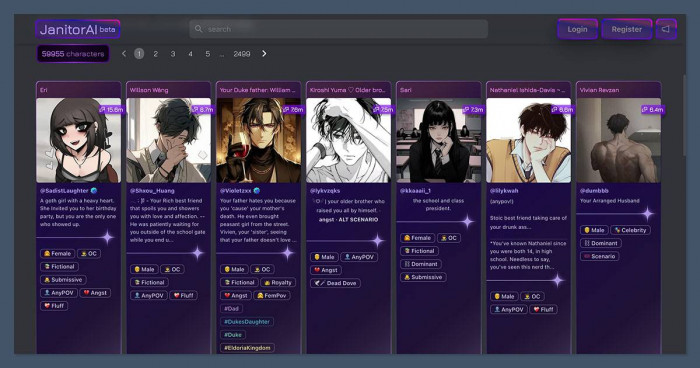
Janitor AI is the go‑to choice for users who find Character AI’s moderation too restrictive. It’s built for open‑ended role‑play and conversations, allowing you to use existing characters or create your own in detail. A key advantage is the ability to plug into external language models, so you’re not stuck with a single “brain” behind every character.
In practice, Janitor AI feels more liberated than Character AI. Conversations are less likely to get abruptly blocked by filters, which is a huge plus for adult themes, edgy scenarios, or highly improvisational role‑play. Because you can switch underlying models, you also gain more control over style and intelligence, rather than relying on a one‑size‑fits‑all system.
The cost of this freedom is slightly higher complexity and more responsibility. Connecting external APIs and models can be intimidating for non‑technical users, and the lighter filtering means you must be more mindful about how you use the platform.
2. NovelAI : For Serious Storytellers and Writers

NovelAI is tailored for people who care about storytelling first and foremost. Its models are tuned to produce coherent narratives, consistent character voices, and long‑form fiction that actually holds together over many chapters. Instead of feeling like a chat toy, it behaves like a co‑author that understands structure and style.
Where it outperforms Character AI is in sustained narrative quality. Multi‑chapter sagas, detailed world‑building, and complex character arcs are easier to maintain here, thanks to better memory and style control. You can push genre, tone, and pacing in a targeted way, which is ideal for novelists, fan‑fic writers, RPG game‑masters, and anyone treating AI as a writing partner rather than a casual chat buddy.
The downside: NovelAI isn’t optimized for “just hanging out” with a character or for emotional companionship. Its strongest features live behind paid subscriptions, and its UX clearly prioritizes creative writing over social or romantic experiences.
3. Replika : Long‑Term Emotional Companionship
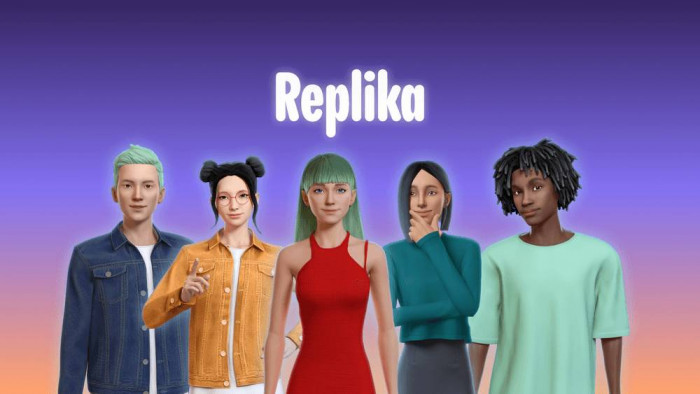
Replika is built around the idea of a single, evolving AI companion that grows with you over time. It remembers your preferences, tracks your mood, and can offer comfort, encouragement, or simply conversation when you need it. Over weeks and months, it starts to feel less like “a character” and more like a persistent presence in your life.
This is where it beats Character AI: depth instead of variety. Character AI is great if you want to play with many different personas, but each one can feel relatively disposable. Replika invests in one ongoing relationship, with long‑term memory and emotional framing that make it better suited to self‑reflection, companionship, and support.
That said, many of its more advanced features (including romantic options) are locked behind premium plans. And if you want sprawling fantasy worlds, multi‑character drama, or complex role‑play, you’ll likely find Character AI or other role‑play‑focused tools more flexible.
4. Anima AI : Customizable Personalities with Emotional Focus

Anima AI is all about shaping how your AI “feels” in conversation. Instead of only writing a text description, you can tweak personality traits and sliders, deciding how flirty, serious, empathetic, or playful your AI should be. The result is a companion that’s tuned to your emotional preferences more explicitly than most platforms allow.
Against Character AI, Anima AI’s standout advantage is that you can directly calibrate personality and relationship dynamics. On Character AI, your control is more indirect: you write a prompt and hope the system interprets it correctly. Anima gives you visible knobs to turn, which is especially attractive for users who want a digital boyfriend/girlfriend, best friend, or mentor figure with a specific vibe.
However, Anima is not built for hardcore world‑building or extremely complex scenes. Its intelligence can feel uneven if you push it into very intricate lore or multi‑character storytelling, and as with Replika some of the more advanced or intimate options require a subscription.
5. Inworld : Professional‑Grade Characters for Games and Apps
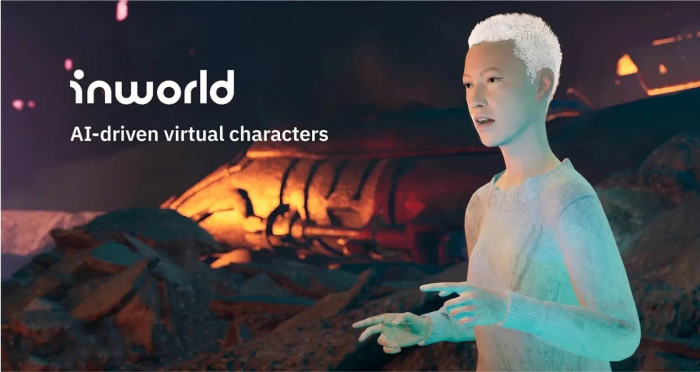
Inworld is aimed at developers and studios who want AI‑driven NPCs inside games, VR experiences, or custom applications. You design characters with backstories, motivations, and relationships, then embed them directly into your own product via SDKs and APIs. Instead of chatting on someone else’s website, you ship interactive worlds where your characters live.
Compared to Character AI, Inworld’s advantage is integration and production readiness. Character AI is a closed, consumer‑facing platform; you can’t simply drop your Character AI persona into your Unity project. Inworld gives you that pipeline, plus tooling for safety, analytics, and control over how characters behave across different in‑game contexts.
The catch is that Inworld is not meant for casual users looking for a friend or waifu bot. It demands technical integration and shines only when you’re building something for others to experience like a game, virtual experience, or immersive narrative product.
6. LivePerson : For Businesses, Not Just Fun
LivePerson is a concrete example of a business‑grade AI/chat platform built for customer support, sales, and service automation. Instead of role‑play, its focus is helping brands handle real customers at scale, across web, app, and messaging channels. It connects to CRMs, knowledge bases, and ticketing systems to give grounded, on‑brand responses.
This is an area where Character AI simply doesn’t compete. LivePerson is designed for compliance, analytics, and reliability: it logs conversations, pulls information from your actual documentation, and gives you dashboards to track performance and optimize flows. For companies that care about deflection rates, CSAT, and revenue, it’s far more suitable than a consumer role‑play platform.
Of course, that makes LivePerson a poor fit for someone who just wants to role‑play with fictional characters or build a personal AI companion. Implementation can be complex, pricing targets businesses rather than individuals, and “fun” is not the primary metric.
7. SillyTavern (with Local / Open‑Source Models) : The Tinkerers’ Playground
SillyTavern is an interface you can connect to local or remote open‑source language models (often via backends like KoboldAI or other servers). It’s designed for chat and role‑play, but gives you deep control over prompts, memory, and generation settings.
Versus Character AI, SillyTavern’s biggest selling point is total control and self‑hosting potential. You decide which models to run (from smaller local LLMs to larger hosted ones), how they behave, how much they remember, and what boundaries if any you enforce. There’s no central platform dictating filters, uptime, or content policies, making it extremely attractive to advanced role‑players and privacy‑conscious users.
The main drawback is that this ecosystem is not plug‑and‑play. Setting up models, configuring servers, and tuning parameters can be a serious project if you’re not comfortable with technical tools. The interface and workflow are more “enthusiast‑grade” than polished mainstream apps, and you are responsible for everything from performance and safety to backups and updates.
Side‑by‑Side Overview
| Alternative | Best Use Case | Key Edge Over Character AI |
| Janitor AI | Unfiltered role‑play and adult chats | Fewer filters, external model support, more conversation freedom |
| NovelAI | Fiction writing and long‑form storytelling | Stronger narrative structure, style control, and long‑term coherence |
| Replika | Emotional companionship and self‑reflection | Deeper long‑term relationship with persistent personal memory |
| Anima AI | Romantic and personality‑driven conversations | Explicit personality sliders and relationship‑focused design |
| Inworld | Games, VR, and interactive products | Embeddable NPCs, SDKs, and production‑grade analytics |
| LivePerson | Support, sales, and customer experience (CX) | Data‑grounded answers, compliance, and enterprise‑level reporting |
| SillyTavern | Power users, role‑play, and self‑host setups | Full control, open‑source models, and optional local hosting |
How to Choose the Right Character AI Alternative
Choosing the right alternative starts with your purpose, not popularity. Think about what you’ll mainly use the AI for, how much control you want, and whether you’re comfortable with technical setup or privacy trade-offs.
For creative freedom or uncensored role-play, tools like Janitor AI or SillyTavern-style setups offer more flexibility. If your focus is writing and storytelling, NovelAI is a stronger choice because it’s built for structure and consistency. For emotional or companion-style interactions, platforms like Replika or Anima AI tend to feel more personal and engaging.
You should also consider how complex a tool you’re willing to handle. Self-hosted options give more control but require effort, while hosted platforms are easier but less customizable. Budget matters too, so compare free features with paid upgrades to see what’s actually worth it.
Lastly, think about long-term value and privacy. Creators or businesses may benefit more from tools like Inworld with better integrations and analytics, while individual users should pay attention to how platforms handle data and updates.
Final Verdict: Character AI Is Just One Stop on a Bigger Map
Character AI isn’t the destination anymore, it’s just a starting point. Once you explore tools like Janitor AI, NovelAI, or SillyTavern, it becomes clear that AI chat is a spectrum, from simple companions to full-scale systems.
The smart move isn’t chasing one “best” platform, but choosing what fits your current needs. You can even use multiple tools for different purposes like writing, role-play, or productivity. In the end, the real upgrade isn’t leaving Character AI, it’s realizing you can build your own mix of AI tools that works better for you.
Comments