

Imagine you download an AI learning app that feels like Duolingo for your career and then your bank statement starts telling a very different story.
That, in one line, is the Coursiv experience according to a mix of Trustpilot reviewers, Google Play users, and a very vocal Reddit crowd: a surprisingly good AI tutor wrapped in a subscription model that many people wish they’d read three times before clicking “Get my plan.”
Act 1: The Pitch – Why Coursiv Looks So Attractive
You’re scrolling, you see an ad:
“Learn AI in 28 Days”
“Master ChatGPT and other AI tools with bite‑sized lessons”
“Get certificates you can put on your CV.”
You tap through. The message is very consistent:
● Coursiv is a mobile‑first AI learning platform built around daily, bite‑sized training.
● It targets people who want to use AI, not build it: professionals, freelancers, side‑hustlers, remote workers.
● Instead of 20‑hour video courses, you get small daily “workouts” that teach you how to plug tools like ChatGPT into writing, problem‑solving, and marketing workflows.
On Trustpilot, many reviewers reinforce this picture. They describe Coursiv as:
● “User‑friendly” and “easy to understand.”
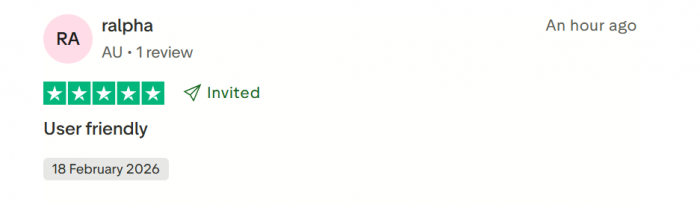
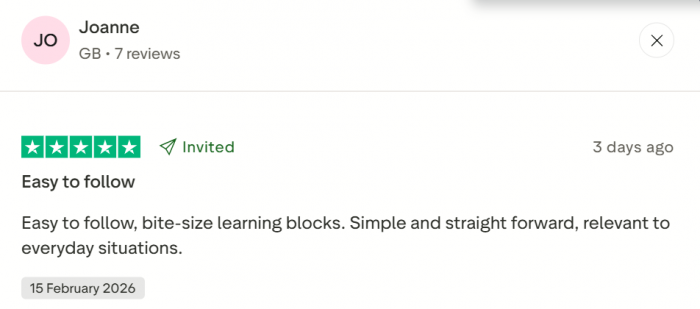
● “Broken down into manageable steps,” especially for people learning basic AI for the first time.
● “Relevant to everyday situations,” helping them pick the right AI tool for the job and improve productivity.
If Coursiv were just a concept on paper, it would sound like the perfect answer to “I know AI is important, but I have no idea where to start.”
Act 2: Inside the App – What the Happy Users Are Actually Experiencing
Let’s stay with the people who are enjoying it for a moment, because their experiences explain why the overall ratings on review sites are still high.
The Feeling of “I Can Actually Do This”
A pattern emerges across positive Trustpilot reviews:
● Learners call the content “well structured,” “not overwhelming,” and “intuitive even for novices.”
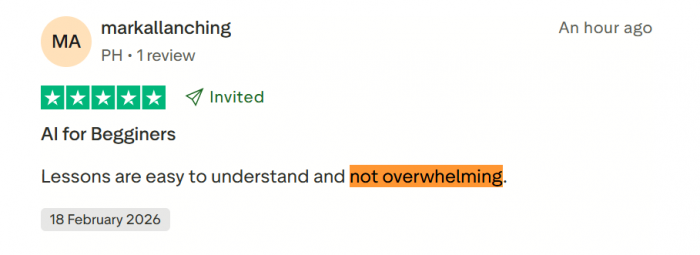
● They like that lessons are short and build on each other, rather than dumping everything at once.
● They talk about finally understanding which AI tool to pick when they need to plan, write, or brainstorm.
The psychological shift is big: from “AI is this scary buzzword” to “I can plug this into my workflow and it actually helps.”
Real‑World, Not Research‑Paper AI
Coursiv leans hard into applied AI:
● Case‑style content around marketing, content creation, and remote work.
● Exercises where you use an AI assistant to draft, plan, or improve something you’d actually do at work.
● Emphasis on prompts – how to talk to tools like ChatGPT to get detailed, reliable results.
Instead of learning what a transformer is, you learn how to get the AI to write you a campaign, structure a proposal, or brainstorm a product idea.
One App, Many Tools
Another part of the appeal is consolidation:
● Coursiv’s own messaging highlights access to multiple AI tools – ChatGPT‑style models, image generators, and more – “in one place.”
● Guided prompts mean you don’t just open a blank chatbot and stare; you’re told what to do, what to type, and how to refine.
For a beginner, that hand‑holding reduces friction massively. You’re not googling “how to prompt ChatGPT” you’re walked through it.
Certificates as a Finish Line
Then there’s the gamified end point: certificates.
● Official Coursiv materials and user stories talk about finishing in 28 days and earning certificates that you can show employers or clients.

● The idea isn’t just learning; it’s getting a tangible badge that says “I’ve actually done the work.”
For career‑driven learners, that “certificate + practical confidence” combo is a big part of the promise.
If we stopped the story here, Coursiv would look like a slam‑dunk: a structured, mobile, beginner‑friendly AI tutor that finally makes sense of all the hype.
Act 3: The Invoice – Where the Story Turns
The plot twist comes not in the lessons, but in the billing.
The “28‑Day Course” That Wasn’t
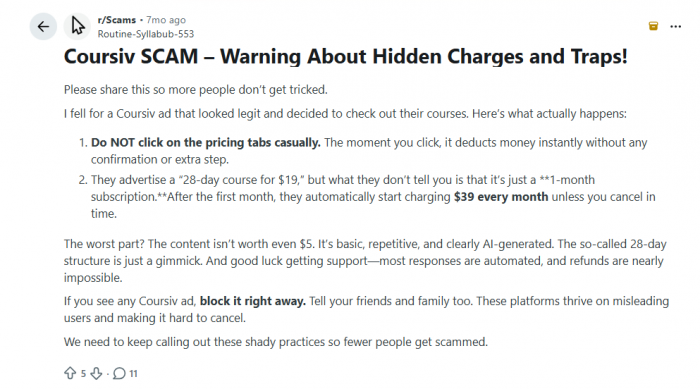
One of the clearest red flags is documented in a long post on r/Scams titled “Coursiv SCAM – Warning About Hidden Charges and Traps!”
The user’s story, simplified:
● They click an ad for a “28‑day course for $19”.
● In reality, this wasn’t a one‑time course; it was a one‑month subscription.
● After that first period, “the fee automatically rises to $39 per month unless you cancel promptly.”
The same post goes further:
● Some pricing tabs can allegedly trigger an instant charge “without confirmation or any additional step.”
● The content felt “hardly worth $5,” described as repetitive and generic.
● Support responses were thin or automated, and refunds “virtually unattainable.”
Another Reddit thread, bluntly titled “Yet another Coursiv Scam,” describes a user finding a $79.99 charge on their statement:
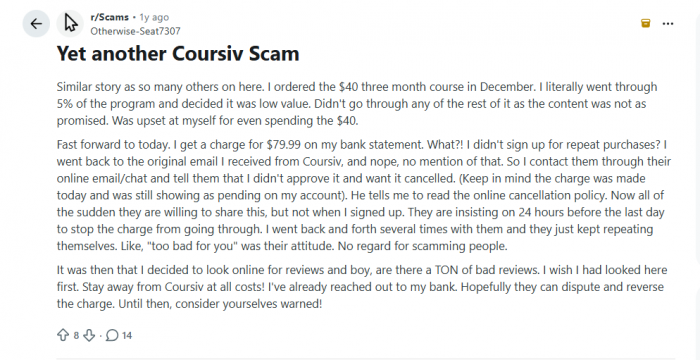
● They claim there was “absolutely no mention” of that amount in their original email from Coursiv.
● They only realized what happened when they checked their bank transactions.
● The feeling? Shock, followed by a long attempt to cancel and unwind the damage.
A third post, “Coursiv A Deceptive Subscription Trap!”, just spells out the conclusion in its title.
“But It’s in the Fine Print…”
Interestingly, under that first “hidden charges and traps” thread, someone posts the actual disclaimer text from Coursiv’s sign‑up screen: reddit
“By clicking ‘Get My Plan’, you consent to an automatic subscription renewal to Coursiv: the first 4 weeks cost $19.99, after which it renews every 4 weeks for $39.99 until you cancel. Cancellation is possible at any time through support or account settings. Refer to the Subscription Terms for more information.”
From a legal / technical standpoint, this is disclosure.
From a UX / trust standpoint, the criticism is:
● The ad said “28‑day course for $19.”
● The behavior is “ongoing subscription, jumps to $39 until you cancel.”
So the clash is less “nothing was written” and more “what the ad made me feel vs what the small print actually said.”
Refunds, Chargebacks, and Bad Blood
● Some users talk about chargebacks through their bank or card provider, followed by Coursiv disputing the reversal by pointing to use or terms. reddit
● Others describe cancellation attempts that didn’t stop payments when they thought they would, or partial refunds after long back‑and‑forths.
Act 4: Two Realities, One Product
At this point, you end up with two very different “Coursivs” co‑existing in the wild.
Reality 1: The Helpful AI Coach
This is the Coursiv you see in a lot of Trustpilot reviews and positive comments:
● A clear, simple interface that doesn’t overwhelm you.
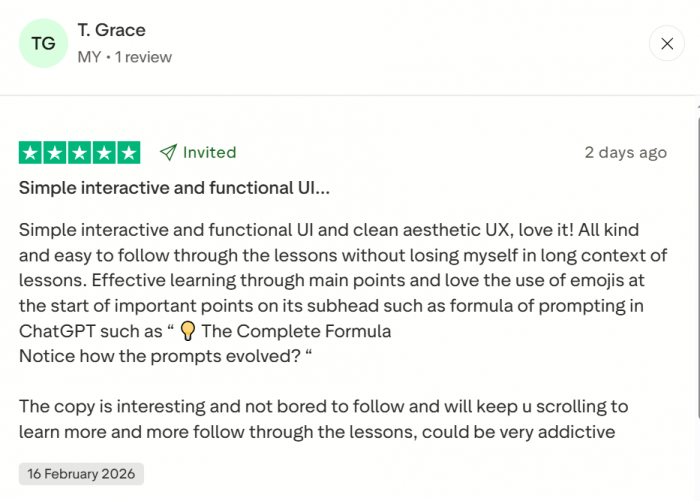
● Lessons that actually teach you how to use AI in work, not just show flashy screenshots.
● Certificates and progress tracking that make you feel like you’re moving forward.
● A sense that you finally “get” how to plug AI into your day‑to‑day tasks.
For these users, the subscription cost feels fair (or at least acceptable) for what they got, especially if they used the app heavily in the first weeks.
Reality 2: The Expensive Surprise
This is the Coursiv you meet on r/Scams, r/apple, and in those warning‑style YouTube videos:
● An offer that looks like a one‑time 28‑day course, but actually functions as a subscription that jumps price after the first period.
● Charges that show up when you weren’t expecting them, sometimes at higher amounts than what you had in mind.
● Friction when trying to cancel or get money back – delayed replies, references to fine print, or automated responses.
Same product. Very different journeys, depending on how carefully you read the small print and how quickly you act on renewals.
Act 5: So… Who Should Touch This, and Who Should Avoid It?
Instead of a generic pros/cons list, think of Coursiv as a trade:
You trade some subscription vigilance in exchange for a structured, beginner‑friendly AI curriculum on your phone.
Coursiv Makes Sense If…
You’re likely to benefit if you:
● Are genuinely new to AI and know you won’t design your own curriculum from YouTube and blogs.
● Prefer short daily lessons over long courses, and you know you’ll actually open the app every day.
● Want someone to hold your hand through “which tool, which prompt, what next”, instead of experimenting alone.
● Are comfortable reading subscription text carefully, setting reminders, and cancelling on time if needed.
Handled like a 28‑day bootcamp (even if the billing cycles are technically “every 4 weeks”), Coursiv can give you a fast, structured jumpstart into practical AI use.
You Probably Shouldn’t Go Near It If…
It’s not worth the stress if you:
● Hate subscriptions and never read fine print.
● Have been burned before by auto‑renewals and know you don’t track dates well.
● Already know how to explore tools like ChatGPT and Midjourney on your own and just need occasional, clearly priced courses instead.
● Prefer platforms where you pay once and know exactly what you own (think Udemy, project‑based workshops, or company‑run academies).
For you, the upside of Coursiv’s structure won’t compensate for the risk of unwanted charges and the energy drain of chasing refunds.
Act 6: How to “Hack” Coursiv Safely (If You Still Want to Try)
If you decide the learning value is worth testing, here’s a pragmatic way to minimize downside:
1. Slow down on the checkout screen.
Read every line near the button: first period, renewal price, renewal frequency (4 weeks vs month), and cancellation method.
2. Screenshot the offer.
Capture the pricing box and any small print. If something later doesn’t match, you have a reference point.
3. Set a renewal alarm immediately.
As soon as you sign up, add a calendar reminder 3–5 days before the first renewal date.
4. Use it like a sprint, not a subscription.
Treat Coursiv like a 4‑week camp: schedule daily sessions, finish the core tracks you care about, grab your certificates.
5. Decide consciously before renewal.
Don’t drift. A few days before the renewal, decide: either you actively keep it because you’re using it a lot, or you cancel and move on.
Approached like this, Coursiv becomes a tool you use on your terms, not a tab quietly draining your card.
Final Word: A Great Teacher in a Distrusted System
If you separate the product from the payment rails, Coursiv looks like a legitimately strong answer to a real problem: “I want to use AI at work, but I don’t know where to start and I don’t have time to figure it out alone.”
The problem is that most people don’t separate those things in real life. When a learning app feels like it’s sneaking money out of your account or using fuzzy language around renewals, the quality of the lessons almost stops mattering.
So the most honest takeaway is this:
● As a teacher: Coursiv is competent, structured, and beginner‑friendly.
● As a subscription experience: it demands a level of attention and skepticism that many users only realize they needed after the first unexpected charge.
If your instinct is “I’ll read every line twice and set reminders, because I really want a guided AI curriculum,” Coursiv can be a powerful, short‑term ally.
If your instinct is “I don’t ever want to worry about hidden conditions,” your brain is probably already telling you everything you need to know.
Comments