

When I opened LeoFame for the first time, I approached it the same way most users do: with curiosity mixed with skepticism. The site positions itself as an AI-powered social growth platform, promising fast results across Instagram, TikTok, and YouTube. I’ve seen this language many times before, so instead of judging the claims, I focused on one thing, what actually happens when I use it as an ordinary user.
I didn’t sign up as a marketer. I didn’t optimize anything in advance. I followed the same path a typical user would: landing on the site, trying the free option, and watching how my account behaved afterward.
My Experience With LeoFame’s Free Instagram Followers
Rating: 6.5 / 10
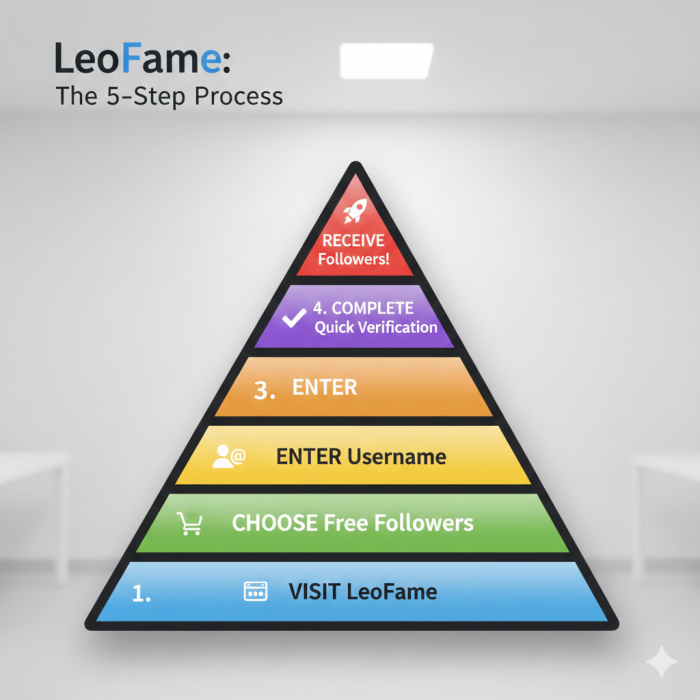
I started with the free Instagram followers option because that’s the lowest barrier entry point and the most searched feature. The process itself was simple. I wasn’t asked for my Instagram password, which immediately reduced my concern. Instead, I entered a username and completed a basic verification step.
Within a short time, I saw followers added to my account. From a delivery standpoint, LeoFame did what it said it would do. There was no endless waiting, no fake loading screens, and no demand to upgrade before anything happened.
However, once the initial satisfaction wore off, I looked closer. The followers didn’t behave like people who discovered my content organically. Most profiles looked generic, and activity was minimal. So while LeoFame passed the “does it work at all?” test, it didn’t pass the “does this help my account?” test.
That’s why the score lands in the middle rather than high or low.
How Real the Engagement Felt After Delivery
Rating: 4 / 10
After the followers arrived, I monitored my account for a few days. I checked story views, reel reach, comments, saves, and profile visits. This is where the difference between numbers and engagement became obvious.
The new followers didn’t interact. They didn’t watch stories. They didn’t comment. My posts didn’t travel further than usual. In fact, my engagement rate slightly worsened because the follower count increased without corresponding interaction.
This kind of engagement doesn’t feel real because it doesn’t change anything meaningful. It doesn’t help the algorithm understand who my content is for, and it doesn’t help build an audience that sticks around.
That’s why this section scores low. Engagement existed numerically, but not behaviorally.
How “AI-Powered” the Platform Actually Feels
Rating: 3.5 / 10
LeoFame leans heavily on the phrase AI-powered growth, so I paid attention to whether anything about the system felt adaptive, intelligent, or content-aware.
It didn’t.
What I observed was automation, not intelligence. Delivery happened quickly, but there was no sign of targeting, learning, or optimization based on my niche or content type. Nothing adjusted based on performance. Nothing improved over time.
In this context, “AI” appears to mean automated distribution, not audience intelligence. That distinction matters, especially for users who expect technology to improve outcomes rather than just accelerate delivery.
This isn’t unique to LeoFame, but it’s still misleading enough to justify a low score.
Speed of Delivery vs Quality of Impact
Rating: 7 / 10 (Speed) | 3 / 10 (Impact)
If speed is the only thing someone cares about, LeoFame performs well. Followers and views arrive quickly, often within minutes. That immediacy explains why first-time users feel impressed.
But when I evaluated impact instead of speed, the picture changed. The fast delivery didn’t translate into higher reach, stronger engagement, or better visibility over time. Once the initial burst ended, my account returned to its previous baseline.
In practice, this means LeoFame optimizes for immediacy, not outcomes. The platform delivers movement, not momentum.
Account Safety From a Practical Standpoint
Rating: 6 / 10
From a security perspective, LeoFame avoids the most dangerous practice in this category: asking for passwords. That alone puts it ahead of outright risky services.
However, safety isn’t just about credentials. It’s about patterns. Artificial engagement creates behavior signals that platforms track over time. Even without immediate penalties, those signals can quietly reduce trust.
I didn’t experience action blocks or warnings during my test, but I also didn’t see anything that would strengthen my account’s standing with Instagram. The risk here is subtle rather than dramatic, which is often more dangerous because users don’t notice it until later.
How Transparent the Platform Feels
Rating: 5 / 10
LeoFame explains what users get, but it doesn’t clearly explain how outcomes should be interpreted. The language focuses on reassurance rather than education.
I would have preferred clearer messaging around limitations, risks, and realistic expectations. Transparency doesn’t mean scaring users, it means respecting them.
The lack of detail doesn’t make LeoFame dishonest, but it does place the burden of understanding on the user. That’s why this sits right in the middle.
How It Compares to Similar Services I’ve Seen
Rating: 5 / 10
I’ve tested enough growth services to recognize patterns, and LeoFame fits squarely into the middle of the pack. It doesn’t stand out technically, but it doesn’t fail catastrophically either.
The engagement quality, delivery style, and risk profile feel similar to many competitors. Branding and UI are polished, but the underlying system behaves the same way most follower and view services do.
Switching providers would likely change presentation, not results.
Where I Think LeoFame Can Be Used Safely
Rating: 7 / 10 (context-specific)
There are scenarios where I’d consider LeoFame acceptable:
- testing how engagement exchange systems behave
- experimenting on a new or throwaway account
- curiosity-driven trials
- personal accounts with no long-term goals
In these cases, the downside is limited because nothing important depends on algorithmic trust.
Used sparingly and knowingly, LeoFame can serve as an experiment, not a strategy.
Where I Would Never Use LeoFame
Rating: 2 / 10
I wouldn’t use LeoFame for:
- brand accounts
- monetized creator profiles
- client projects
- influencer campaigns
Artificial engagement introduces noise into the algorithm. Once that happens, rebuilding trust takes far longer than any short-term gain is worth.
For serious accounts, the cost-benefit ratio simply doesn’t work.
My Final Scorecard
| Area | Score |
| Ease of use | 8 / 10 |
| Speed of delivery | 7 / 10 |
| Engagement quality | 3 / 10 |
| Transparency | 5 / 10 |
| Short-term safety | 6 / 10 |
| Long-term growth value | 2.5 / 10 |
Overall average: 4.9 / 10
My Honest Takeaway
LeoFame does exactly what it claims at a surface level, it moves numbers. That part is real.
What it doesn’t do is help accounts grow in ways social platforms actually reward. For me, LeoFame feels like a visibility illusion: interesting to observe, risky to rely on.
If someone understands those limits clearly, it can be explored cautiously. If someone expects real growth, it will almost certainly disappoint.
That’s the full reality, start to finish.
Comments