

Trust in SaaS reviews has become a mission‑critical topic for buyers, because software decisions now rely heavily on online feedback rather than only analyst reports or personal networks. As review volumes grow and incentives around them get more aggressive, separating genuine experience from manufactured sentiment is becoming both harder and more important.
Why SaaS review trust matters
B2B buyers now treat online reviews as one of the most influential information sources when evaluating software vendors, often consulting them before speaking to sales. Studies across industries show that perceived credibility and tone of reviews significantly affect purchase intention, brand trust, and even willingness to pay.
In SaaS, the stakes are particularly high because contracts are long, implementation is complex, and switching costs are substantial. A misleadingly positive review profile can lead to poor product‑market fit, unexpected integration issues, or support failures that cascade into operational risks. At the same time, a handful of unbalanced negative reviews can unfairly damage trust in otherwise robust products.
The challenge is not whether to use reviews, but how to interpret them in a structured, defensible way that acknowledges their biases while still extracting real signal.
Building a “trust stack” for SaaS reviews
A useful way to think about SaaS review trust is as a layered “stack” of signals rather than a single rating or sentiment score. Each layer contributes to the overall credibility you assign to what you are reading, and weaknesses in lower layers can undermine otherwise positive impressions higher up.
Key layers in the trust stack include:
● Reviewer‑level trust: identity, expertise, and similarity to your context.
● Content‑level trust: depth, specificity, and balance of what is written.
● Platform‑level trust: how the review site verifies, moderates, and monetizes reviews.
● Vendor‑level trust: how the SaaS company collects, curates, and presents reviews and case studies.
● Ecosystem validation: independent signals such as uptime data, certifications, and analyst or community feedback.
Thinking in layers helps avoid overreacting to headline star ratings and encourages a more systematic reading of the whole review environment around a product.
Reviewer‑level trust: who is speaking?
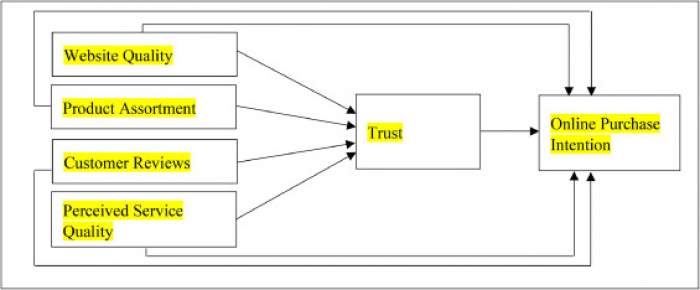
Trust in any review begins with the person behind it, because source credibility shapes how readers interpret the same factual content. Research shows that expertise, integrity, and perceived similarity between reviewer and reader are strong drivers of review influence.
Important reviewer‑level signals include:
1. Identity and verification
● “Verified user” or “Verified current customer” markers.
● Corporate email or domain that matches a real organization.
● Profiles that show job title, role, and sometimes LinkedIn‑style details.
2. Role and expertise
● Job functions directly involved with the product (for example, RevOps for CRM, DevOps for CI/CD).
● Seniority that matches the type of decision or usage described (administrator vs end user vs budget owner).
● Prior experience with similar tools, which can make comparative comments more meaningful.
3. Company size, industry, and context
● Firmographic details such as employee count, industry, and region that align with your own environment.
● Tech stack similarity, especially for tools with heavy integration needs.
● Use case overlap (for example, self‑serve SMB onboarding vs enterprise multi‑region deployments).
4. Incentives and potential conflicts
● Reviews written in response to gift‑card campaigns or vendor outreach.
● Clusters of similar, highly positive reviews submitted in a short time frame.
● Agency or partner relationships that may bias the reviewer toward the vendor.
When reviewer identity, role, and context are opaque or misaligned with your own needs, the trust you place in their opinion should drop accordingly, regardless of the rating.
Content‑level trust: what does the review actually say?
Once the reviewer passes a basic credibility check, the next layer is the substance and style of the review itself. Studies on online review credibility consistently highlight argument quality, informational value, and balance as key determinants of trust.
Elements of strong content‑level trust include:
1. Specificity and argument quality
● Concrete descriptions of workflows, features, or modules used.
● Quantified outcomes such as time saved, error reduction, or revenue impact, with at least approximate baselines.
● References to versions, timelines, or implementation phases that make the story falsifiable.
2. Coverage of the customer journey
● Comments on evaluation and selection: why this tool was chosen over competitors.
● Details about onboarding, migration, and training efforts.
● Feedback on day‑to‑day performance, support interactions, and renewal decisions.
3. Two‑sidedness and nuance
● Acknowledgment of both strengths and weaknesses instead of one‑sided praise or pure venting.
● Clear separation between product limitations and contextual constraints (for example, internal processes or connectivity).
● Realistic language around trade‑offs rather than absolute claims of perfection.
4. Emotional tone and extremity
● Moderate, reasoned tone that is proportional to the described experience.
● Strong emotions anchored in specific incidents rather than vague dissatisfaction.
● Awareness that extremely positive or negative one‑liners tend to be perceived as less credible.
5. Recency and product evolution
● Reviews written after major version releases or architectural changes.
● Attention to whether new features or pricing models have addressed earlier criticism.
● Preference for recent reviews in fast‑moving categories where roadmaps shift quickly.
Taken together, these features help distinguish reviews that offer genuine learning value from those that merely add noise to the overall rating.
Platform‑level trust: how review sites influence perception

The environment in which reviews appear has a strong shaping effect on how they are read and trusted. Platform design, business models, and moderation policies can either offset or amplify manipulation risks.
Key platform‑level considerations include:
Verification and anti‑fraud mechanisms
● Processes for validating identities, invoices, or corporate domains.
● Use of automated detection to flag suspicious patterns such as duplicate content or unnatural bursts of reviews.
● Visible badges and explanations of what “verified” actually means on that platform.
Volume, distribution, and temporal patterns
● Sufficient review volume to avoid overreliance on a handful of experiences.
● A realistic spread of ratings rather than near‑perfect scores with almost no criticism.
● Timing that reveals campaign‑driven surges or periods of silence around key product events.
Ranking algorithms and monetization
● Quadrant charts, “leader” badges, or category rankings that may correlate with paid packages.
● Sponsored placements or “featured” listings that push paying vendors to the top.
● Lack of clarity around how sorting or filtering defaults are chosen.
Transparency, governance, and user control
● Published guidelines for what is allowed, how moderation works, and how disputes are handled.
● Clear labeling of sponsored content, vendor responses, and edited reviews.
● Tools for readers to report suspicious reviews or request more information.
Different platforms vary significantly on these dimensions, and their trustworthiness should be evaluated with as much care as the reviews they host.
Vendor‑level trust: how SaaS companies manage and present reviews
SaaS vendors do not passively receive reviews; they actively shape which ones are collected, where they appear, and how they are framed. Understanding this influence is essential for reading reviews in context rather than as neutral market feedback.
Important vendor‑level aspects include:
1. Collection strategies and campaigns
● Outreach to happy customers at renewal or post‑implementation milestones.
● Incentive programs that reward reviews on selected platforms.
● Internal targets around rating averages that may pressure customer success teams to “manage” feedback.
2. Cherry‑picking and amplification
● Use of only 5‑star quotes and marquee logos on the website.
● Highlighting certain platforms over others where ratings are lower or more mixed.
● Emphasis on vanity metrics such as “over 1,000 5‑star reviews” without distribution context.
3. Case studies and testimonial quality
● Inclusion of specific metrics, timelines, and stakeholder quotes tied to named organizations.
● Transparent acknowledgment of challenges or implementation complexity alongside positive outcomes.
● Clear explanation of whether the customer is a paying reference, partner, or early‑access participant.
4. Response behavior to public reviews
● Timely, constructive replies to negative reviews that explain remediation steps.
● Willingness to accept criticism in public rather than pushing everything into private channels.
● Patterns of defensiveness or blame‑shifting that may indicate deeper cultural issues.
Vendor actions do not automatically invalidate reviews, but they do color how strongly those reviews should influence high‑stakes buying decisions.
Ecosystem validation: matching reviews to hard evidence
Trusted SaaS buying decisions rarely rest on reviews alone; they require alignment between subjective feedback and objective external signals. Ecosystem validation is the layer that connects review claims to verifiable performance, security, and market context.
Relevant validation sources include:
Reliability and performance data
● Public status pages showing uptime, incident reports, and maintenance history.
● SLAs and SLOs around availability, latency, and support response times.
● Third‑party monitoring or benchmarks where available.
Security and compliance posture
● Certifications such as ISO 27001 and SOC 2, along with recent audit dates.
● Regulatory readiness (for example, GDPR, HIPAA) aligned with your industry.
● Documented security practices that either support or contradict claims about safety in reviews.
Analyst, community, and reference perspectives
● Independent analyst reports that contextualize strengths and weaknesses in a broader market view.
● Practitioner discussions in communities and forums where experiences are often more candid.
● Direct reference calls that let buyers probe areas highlighted in reviews, such as support quality or roadmap delivery.
When reviews and ecosystem evidence point in the same direction, trust strengthens; when they diverge, it is a signal to investigate further before committing.
A practical framework for using SaaS reviews wisely
For buyers, the goal is not to read every review, but to build a disciplined process that extracts reliable signal from a noisy ecosystem. A simple, repeatable framework can turn scattered opinions into structured input for decision‑making.
A practical workflow can include:
Shortlisting vendors
● Use one or two trusted platforms to identify tools that meet core functional and category requirements.
● Apply loose rating thresholds to exclude clear outliers without over‑optimizing on small score differences.
Segmented review reading
● Focus on reviews from companies similar in size, industry, and geography to your own.
● Prioritize reviewers in roles that mirror your decision‑makers and heavy users.
● Aim for a balanced mix of positive, neutral, and negative reviews to avoid confirmation bias.
Structured scoring of review credibility
● Rate reviewer‑level factors such as identity, role, and context clarity.
● Score content‑level qualities like specificity, journey coverage, and balance.
● Adjust for platform and vendor influences that might systematically skew sentiment.
Cross‑checking against hard signals
● Compare recurring review themes with SLAs, security documentation, and product roadmaps.
● Investigate discrepancies, such as strong usability claims but poor documentation or limited certification.
● Incorporate inputs from analysts, communities, and direct references to round out the picture.
Designing trials and proofs of concept
● Translate key promises and pain points from reviews into concrete test scenarios.
● Measure the vendor’s performance on these scenarios during trials, including support responsiveness and integration realities.
● Use the results to calibrate how much weight you should assign to specific review clusters.
When SaaS reviews are approached with this kind of structured skepticism rather than blind trust, they become a powerful complement to internal evaluation instead of a risky shortcut.
Final Conclusion
SaaS reviews are too powerful to ignore and too noisy to accept at face value. Treating them as one layer in a broader “trust stack” alongside reviewer identity, content quality, platform design, vendor behavior, and hard external evidence turns them from a risky shortcut into a disciplined input for decision‑making. When teams read reviews through this structured lens, they filter out manipulation, weight credible voices more heavily, and validate claims against real‑world performance, security, and support. The result is not just fewer bad software bets, but a more confident, transparent buying process that can be defended to stakeholders long after the contract is signed.
Comments