

ThinkOfGames operates as a task-oriented gaming reference site rather than a news outlet, review publication, or editorial magazine. Its primary role is to help players resolve specific in-game problems by offering written explanations, walkthroughs, and technical guidance. The platform sits within a broader ecosystem of community-driven gaming help sites that focus on how to do something rather than whether something is good or bad.
This article explains how the platform functions, what kind of value it provides, and where its structural limits lie.
Platform Purpose and Scope
ThinkOfGames.com is designed around problem resolution, not discovery or commentary. Players typically arrive at the site when they are:
- Stuck on a particular quest or mission
- Unsure how a game mechanic works
- Experiencing performance or configuration issues
- Looking for explanations not clearly provided inside the game
The platform does not attempt to guide purchasing decisions, rate games, or assess industry trends. Instead, it fills the gap between official documentation (often incomplete) and trial-and-error gameplay.
Its scope is intentionally narrow: explaining what to do next or how something works within a specific game context.
Types of Games Covered
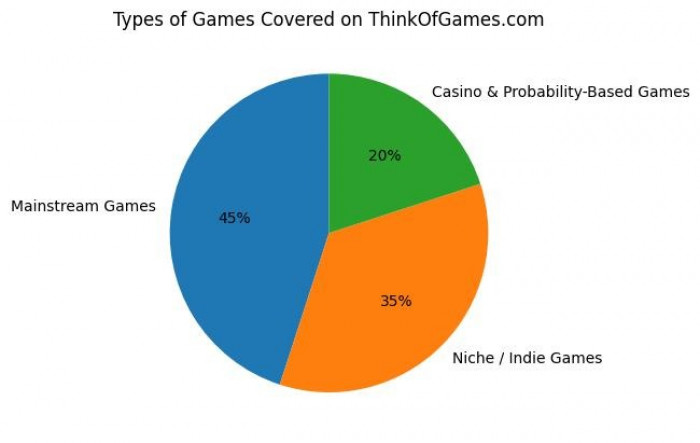
The site covers a mixed catalog rather than a single genre or platform. This includes:
Mainstream and Widely Played Games
Popular titles tend to receive:
- Multiple walkthrough articles
- Updates following patches or expansions
- More detailed explanations of mechanics
These games benefit from higher community engagement, which helps keep content relatively current.
Niche, Indie, and Browser-Based Games
Less mainstream titles often receive:
- Single-article coverage
- Basic explanations rather than deep strategy
- Limited updates over time
This uneven depth reflects the community-driven nature of the site rather than editorial preference.
Casino-Style and Probability-Based Games
The presence of casino or odds-based games reflects demand rather than endorsement. Articles in this category generally explain:
- Game mechanics
- Rules and probabilities
- Strategy considerations
They do not typically address ethical, regulatory, or financial risk perspectives.
Nature of the Content
What the content typically includes
Most articles follow a functional structure:
- A short summary or direct answer
- Step-by-step guidance
- Contextual explanation of mechanics
- Screenshots or visual references where helpful
This makes the site usable as a reference tool, especially for players who want quick answers rather than long reads.
What the content deliberately avoids
ThinkOfGames.com generally does not include:
- Game ratings or scoring systems
- Subjective reviews or opinions
- Narrative critique or thematic analysis
- Developer interviews or production insights
As a result, the site is less useful for readers interested in gaming culture, storytelling, or industry trends.
Community Contribution Model
A defining feature of ThinkOfGames.com is its community-driven authorship. Content is contributed by users rather than produced solely by a centralized editorial staff.
Benefits of this model
- Faster coverage of emerging gameplay questions
- Diverse playstyle perspectives
- Coverage of games overlooked by mainstream media
Trade-offs
- Writing quality varies
- Depth is inconsistent
- Some guides may lag behind recent updates
Moderation appears to focus on usability rather than rigorous fact-checking, which is typical for community guide platforms.
Walkthroughs and Step-by-Step Guides
Walkthroughs form the backbone of the platform. These guides are typically structured to:
- Help players complete specific objectives
- Reduce trial-and-error frustration
- Clarify ambiguous in-game instructions
They are most effective for:
- Linear missions
- Puzzle-based gameplay
- Achievement or unlock paths
They are less effective for open-ended or sandbox gameplay where player choice significantly alters outcomes.
Technical and Performance-Related Guidance
The site also includes a substantial amount of performance optimization content, especially for PC and mobile players.
Common topics include:
- Improving frame rate (FPS)
- Adjusting graphics or resolution settings
- Platform-specific configuration tips
This content is generally introductory to intermediate. It focuses on accessibility rather than advanced system optimization, making it useful for players unfamiliar with technical settings but less valuable for experienced hardware users.
Interface, Navigation, and Content Discovery
Navigation is designed around utility rather than aesthetics.
Key structural features include:
- Game-based categorization
- Search-first discovery
- Platform and genre filtering
- Visual cues within guides
Because the site is free, advertising is present. Ads may interrupt reading flow, particularly on mobile devices, but they support the platform’s operational model.
Accuracy, Reliability, and Update Cycle
Where the platform performs well
- Clear explanations of mechanics
- Simple language suitable for non-experts
- Logical breakdown of steps
Where limitations emerge
- Patch-dependent guides may become outdated
- Some niche topics lack revision
- Conflicting guides may exist for the same mechanic
Readers benefit from checking publication dates and cross-referencing when precision matters.
Intended Audience and Reader Fit
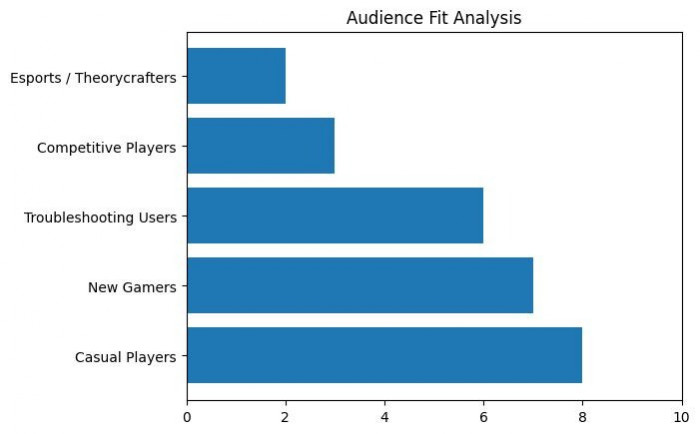
ThinkOfGames.com is most suitable for:
- Casual players needing quick help
- Players unfamiliar with complex mechanics
- Users troubleshooting specific issues
It is less suitable for:
- Competitive esports players
- Readers seeking expert-level theorycrafting
- Those interested in editorial analysis or reviews
Understanding this distinction helps avoid mismatched expectations.
Practical Use Case Summary
In practice, ThinkOfGames.com functions as:
- A support reference, not a destination site
- A problem-solving tool, not a content magazine
- A community knowledge base, not an authority source
Its usefulness depends on whether a player needs answers rather than opinions.
Concluding Perspective
ThinkOfGames.com occupies a familiar but specific position within the gaming ecosystem. It does not aim to shape gaming discourse or influence consumer decisions. Instead, it exists to reduce friction during gameplay by explaining mechanics, steps, and configurations that games often fail to communicate clearly.
For players facing immediate gameplay challenges, the platform can be helpful. For broader insight into games as art, industry, or culture, it is intentionally limited.
Comments