

AI is becoming a big part of esports. It helps players train, coaches review matches, tournament organisers detect cheating, broadcasters create highlights, and fans get more personalised content.
Esports already creates huge amounts of data. Every click, movement, shot, ability, rotation, and decision can be recorded. AI can study this data quickly and turn it into useful reports, training tips, and predictions.
AI will not replace players, coaches, or tournament staff. Instead, it works as a support tool that helps people make better decisions. And you still have possibilities to bet on e sports on your favorite team or player on the 1xbet site.
What Are AI Esport Technologies?
AI esport technologies are tools that use artificial intelligence to improve esports.
They can help with:
- Gameplay analysis
- Player training
- Coaching feedback
- Anti-cheat systems
- Match highlights
- Fan content
- Tournament management
- Sponsorship tracking
In simple terms, AI takes esports data and turns it into useful information.
Why AI Matters in Esports
Esports is very competitive. At the pro level, small mistakes can decide matches. A bad rotation, poor positioning, weak communication, or slow reaction can cost a team the game.
Coaches can review matches manually, but this takes a lot of time. AI can speed up the process by finding patterns and mistakes automatically.
For professional teams, AI can help find small advantages. For amateur players, it can make coaching easier to access. For tournament organisers, it can improve fairness and event management.
AI Analytics and Performance Tracking
AI can study how players perform during matches.
In shooting games, it can analyse aim, reaction time, crosshair placement, map control, and clutch decisions.
In MOBA games, it can study lane pressure, vision, teamfights, item choices, and objective control.
In sports games, it can review formations, passing, possession, and defence.
AI can also track progress over time. Instead of relying only on a coach’s opinion, teams can use real data to see whether a player is improving.
AI Coaching Tools
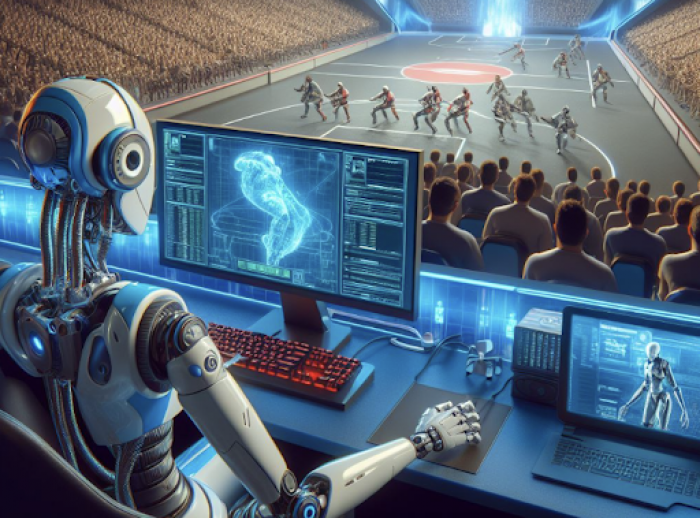
AI coaching tools review gameplay and give feedback.
For beginners, AI can explain basic mistakes, such as poor positioning, bad aim habits, or wrong ability timing.
For intermediate players, it can find repeated problems, such as peeking too often, poor economy management, or weak map control.
For pro teams, AI can support opponent scouting, draft preparation, and role-specific training.
AI coaching is useful, but it should not replace human coaches. A human coach understands confidence, communication, pressure, and team culture. AI shows the data, but humans still need to interpret it.
AI Anti-Cheat Technology
Fair play is very important in esports. If players or fans believe cheating is common, tournaments lose trust.
AI anti-cheat tools can look for strange behaviour, such as impossible reaction times, unusual aim, suspicious movement, strange button timing, or gameplay that looks too perfect.
Traditional anti-cheat systems often look for known cheat software. AI can go further by studying player behaviour.
However, AI anti-cheat also has risks. False positives can harm innocent players. That is why cheating decisions should include human review and a clear appeal process.
AI in Esports Broadcasting
AI can also improve esports broadcasts.
It can help with:
- Automated camera switching
- Instant replays
- Live stats
- Heatmaps
- Win probability graphics
- Captions and translations
- Highlight clips
This is useful because esports matches can be fast and hard to follow. AI can help viewers understand the most important moments.
It can also create short highlight clips quickly for social media.
AI and Fan Engagement
AI can help fans get content they care about.
For example, a League of Legends fan could receive highlights of their favourite player. A Counter-Strike fan could get clutch-round clips. A Valorant fan could get match summaries and tactical breakdowns.
AI can also power chatbots, personalised newsletters, translated interviews, and match recaps.
This matters because esports fans follow content across Twitch, YouTube, TikTok, Discord, Reddit, and team apps.
AI for Strategy and Draft Analysis
AI can help teams prepare better strategies.
In games with drafts or character selection, AI can study pick and ban patterns, counter-picks, map win rates, and opponent habits.
In tactical shooters, it can analyse map control, utility usage, retakes, and attack routes.
AI cannot create perfect strategies by itself. Esports changes quickly, and human creativity still matters. But AI can give coaches better information before matches.
AI in Esports Training Facilities
Modern esports teams often work like traditional sports teams. They use coaches, analysts, training rooms, and performance support.
AI dashboards can track practice match results, reaction time, fatigue, communication, and role-specific progress. Some systems may also look at sleep, stress, focus, and workload.
In the future, AI may help teams practise against simulated opponents, build custom training plans, and prevent burnout.
AI for Tournament Operations
AI can help tournament organisers manage events.
It can support scheduling, brackets, seeding, match reports, referee tools, live stats, and suspicious activity detection.
It can also help moderate chats, detect abuse, and improve event safety.
Because esports matches are already digital, AI tools can be especially useful for tournament operations.
AI and Sponsorship Analytics
Sponsors want to know if their ads and logos are reaching fans.
AI can track logo visibility, stream engagement, social media performance, audience reactions, and campaign results.
This helps teams and leagues prove value to sponsors. It also helps brands understand whether their esports investment is working.
AI in Esports Betting Integrity
AI can help monitor suspicious betting activity.
It can look for unusual odds changes, strange match events, or abnormal player behaviour. This can help protect tournaments from match-fixing or insider information leaks.
However, AI should not be used to promise guaranteed betting results. It can support integrity, but it cannot make betting risk-free.
Generative AI in Esports Content
Generative AI can help create content such as match previews, summaries, social media posts, player bios, newsletters, and translations.
This is useful for smaller esports teams that do not have large content teams.
But AI content still needs human review. It can make mistakes, repeat generic ideas, or create misleading information. Deepfakes and fake player statements are also risks.
Benefits of AI in Esports
AI can help esports by:
- Improving player training
- Saving coaches time
- Finding gameplay patterns
- Supporting fair play
- Creating better broadcasts
- Personalising fan content
- Helping sponsors measure value
- Making tournaments easier to manage
Overall, AI can make esports more professional and data-driven.
Risks of AI in Esports
AI also creates challenges.
Player privacy is a major concern because teams may collect sensitive data about gameplay, communication, health, and mental performance.
Fairness is another issue. Wealthier teams may afford better AI tools, giving them a bigger advantage.
AI anti-cheat systems can also make mistakes, so human review is important.
AI can even be used by cheaters, which means the industry must use AI both to protect esports and defend against new threats.
The Future of AI in Esports
The future of AI in esports will likely include smarter coaching tools, stronger anti-cheat systems, automated broadcasts, personalised fan feeds, and better training simulations.
Players may use AI to review matches right after practice. Coaches may use AI to compare strategies. Broadcasters may use AI to create instant graphics and highlights.
AI is already part of esports. The important question is how responsibly it will be used.
How Teams Should Use AI Responsibly
Esports teams should use AI as a support tool, not as a replacement for human judgement.
They should protect player data, explain how data is used, review AI insights carefully, and avoid making major decisions based only on automated reports.
AI coaching should not ignore mental health, communication, or team culture. AI content should always be checked before publishing.
Conclusion
AI esport technologies are changing competitive gaming. They help players train better, coaches review matches faster, organisers protect fair play, broadcasters create stronger content, and fans enjoy more personalised experiences.
But AI is not magic. Esports still depends on human skill, teamwork, creativity, leadership, and trust.
The best future for esports is not AI replacing people. It is AI helping people understand the game better and make smarter decisions.
Comments