
When you step into a hotel room in 2026, the TV does more than just play cable channels. You want streaming, simple controls, and quick access to hotel services.
Hotels now design the in-room screen to match what you use at home. The TV becomes a central hub for entertainment, communication, and service requests.
Instead of calling the front desk, you can order food, book amenities, explore local tips, and send messages through hotel interactive TV solution, as many properties use these solutions to connect you directly to services from the TV.
Modern hotel TV systems support streaming, personalization, and smooth integration with other in-room tools. As hotels get better with technology, the screen becomes a key part of how you experience comfort, convenience, and control during your stay.
How Hotel TV Is Transforming the Guest Experience
Hotel TV systems now act as entertainment centers, service hubs, and communication tools. You use the TV not just to watch stuff, but to control parts of your stay and connect with hotel services in easy, direct ways.
Seamless In-Room Entertainment with Streaming Services
You don’t have to rely on basic cable channels anymore. Modern hotel TVs support popular streaming services, on-demand movies, and live TV in one place.
Hotels design the entertainment system to feel like what you have at home. You can log into your own streaming accounts and watch your shows without extra devices.
The system usually clears your login details at checkout to protect your privacy. A single menu means you’re not fumbling with different remotes or inputs.
Hotels benefit too. Fewer external devices mean fewer tech problems and quicker room turnover. You get reliable entertainment, and the hotel avoids downtime from equipment issues.
Personalization and Guest Engagement Features
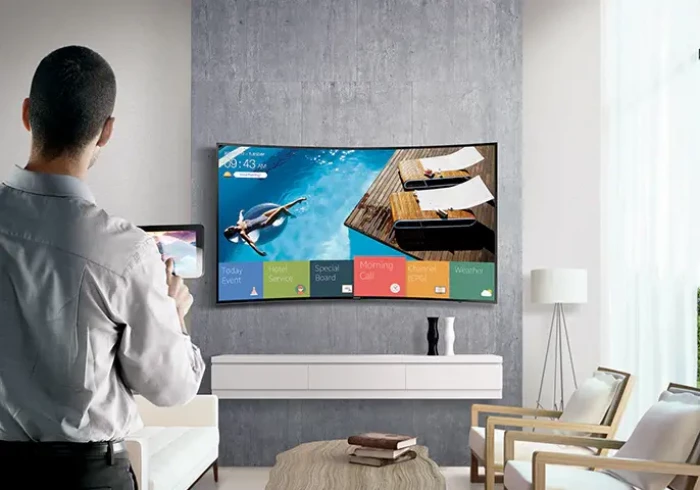
Hotel TV systems now support personalization right when you enter the room. The screen might greet you by name and show details about your stay.
You can see your folio balance, spa or dining promotions, local events, and hotel amenities. The in-room TV becomes a direct guest engagement tool.
Instead of calling the front desk, you browse services and place requests through the screen. Some systems connect with property management software, letting hotels tailor offers based on your stay type.
Clear menus and simple prompts help you book services in just a few steps. You stay informed, and the hotel shows off services without adding pressure to staff.
The Role of Casting, Apple AirPlay, and Google Cast
Casting tech has become a must-have for hotel TVs. You want to stream content from your phone or tablet to the big screen without messing with cables.
With built-in Apple AirPlay and Google Cast, you connect your device to the hotel room TV over a secure network. Usually, you scan a code or follow on-screen steps, and the TV links to your device for that stay only.
Your data stays separate from other guests. Once you check out, the system wipes your connection.
Casting gives you control over what you watch. You pick the apps, playlists, and videos you already love. The hotel doesn’t need to preload every streaming service because you bring your own content.
This setup keeps in-room entertainment flexible and simple.
Enhancing Guest Satisfaction and Hotel Reputation
Most guests say the hotel TV is essential or very important to their stay. When the in-room TV works well, you notice. And when it doesn’t, you notice that too.
A fast, easy-to-use system makes your stay better. You spend less time troubleshooting and more time relaxing or working.
Hotels with reliable TV systems often see higher guest satisfaction scores. Stable streaming and smooth casting mean fewer complaints.
You compare the experience to what you have at home. If the hotel TV feels old or slow, it changes how you see the property.
A modern hotel TV makes your stay more comfortable and convenient. That can shape reviews, repeat bookings, and the hotel’s reputation.
Hotel TV Systems and the Future of Hospitality Technology
Hotel TV systems now run on software, cloud control, and connect deeply with hotel operations. You’re not just managing a screen anymore; it’s a platform that supports guest services, data, and revenue tools.
From Traditional Hardware to Cloud-Managed Platforms
In the past, you had coaxial cables, local equipment, and manual updates. Now, many hotel TVs run on IPTV and cloud-based control panels.
A modern hotel television system lets you push content and updates from a central dashboard and monitor device health in real time.
You can adjust channel lineups without entering the room. The system supports streaming apps and secure casting.
Cloud management reduces on-site hardware and cuts down on maintenance. You can update branding, welcome messages, or emergency alerts across every room in just minutes.
Vendors like Uniguest and other tech providers now focus more on software than just screens. This gives you more control and flexibility. It also gets your property ready for the future, where services update all the time, not just every few years.
Integrating Hotel TV with Guest Services and Operations
You can turn your hotel TV into a digital service hub. Many hotels use platforms like a hotel hub interface to connect guests to dining, spa bookings, housekeeping, and local guides.
Guests can request extra towels, book a restaurant table, view hotel maps, or check event schedules—all from the TV. This cuts down on calls and speeds up service.
It also creates a record of requests in your property management system. Lots of travelers value contactless tools during their stay.
When you link your hotel TV system to room controls, messaging, and guest apps, you create a smoother experience. You also get insight into what guests actually use, so you can adjust staffing or promotions with real data.
Targeted Promotions and Revenue Opportunities
Your hotel TV tech can drive revenue if you use it right. Instead of a boring welcome screen, you can show targeted promotions based on guest type or stay details.
Maybe you promote late checkout on the last night, spa discounts during slow times, dining specials, or local experiences. The hotel TV sits in every room, so it becomes a direct marketing channel.
You control the message and timing, not some third party. Interactive menus can include clear calls to action like “Book Now” or “Click Here” using the remote, which makes it easier for guests to act.
Some systems even support sponsored content or branded welcome pages. If used carefully, these features add revenue but don’t annoy guests.
Emerging Trends in Hotel Television System Innovation
Hotels are moving from old-school cable to smart hospitality displays. Modern hotel TV systems now support streaming apps, secure casting, and personalized logins.
Guests want to watch their own content. Integrated casting lets them stream from their device without entering passwords on shared hardware. After checkout, the system wipes personal data automatically.
Other new features include voice control, AI-driven content recommendations, real-time language switching, and energy-saving screen management. As hotel TV technology gets better, screens feel less like passive entertainment and more like connected service platforms.
When you invest in flexible, software-driven systems, you set your property up for the next stage of hospitality tech. And honestly, isn’t that what guests expect now?
Conclusion
Hotel TV isn't just about basic entertainment anymore. It's become a key part of your stay, pulling together streaming, hotel services, and local info in one spot.
This shift makes your room feel easier to use, and honestly, it's just more comfortable. Hotels keep getting better and smarter with their interactive systems.
Now, you probably expect the same convenience you have at home. These upgrades let you control more, so you spend less time fumbling around and more time actually enjoying your trip.
Hotel TV helps you feel more connected and makes each visit a little more personal. As tech keeps getting better, I'd bet your in-room screen will play an even bigger role in how you experience hotels.
Comments