
Fire safety is a fundamental part of modern business operations. Whether managing fire safety inspections, emergency lighting, fire alarms, or fire doors, organisations must meet strict safety regulations and regulatory requirements to protect people, property, and continuity.
Across the fire protection industry, expectations have increased. Businesses must now demonstrate fire safety compliance through clear compliance documentation, inspection reports, and detailed records. This includes routine inspections, risk assessment processes, and ensuring all fire safety systems meet current fire safety codes.
However, many fire protection businesses still rely on manual processes, paper forms, and disconnected systems. These approaches often lead to missed inspections, poor data entry, and gaps in compliance tracking—especially across multiple locations.
To solve this, organisations are adopting digital safety systems. The key question is whether fire safety software is enough, or whether custom safety systems provide a better long-term solution.
What Is Fire Safety Software?
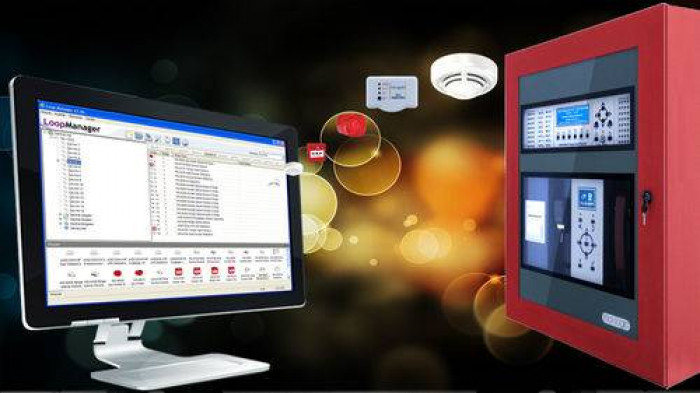
Fire safety software is an essential tool used to manage fire safety management, inspections, and reporting in a structured and efficient way. It replaces manual processes with digital forms, automated workflows, and real time reporting.
Typical fire safety software includes key features such as:
- Fire safety inspections and routine inspections
- Fire alarm systems and fire detection systems tracking
- Emergency lighting checks and sprinkler systems monitoring
- Inspection templates and inspection reports
- Compliance reports and compliance documentation
- Asset register management for fire systems
For businesses aiming to improve operational efficiency, tools like a fire risk assessment app allow teams to complete digital checklists on mobile devices, maintain detailed records, and generate compliance reports instantly.
This helps businesses stay compliant with safety regulations, reduce fire risk, and avoid issues such as missed inspections or incomplete documentation.
Why Fire Risk Assessments Are Critical
A professional fire risk assessment is a legal requirement under the Regulatory Reform (Fire Safety) Order 2005 and forms the foundation of any fire safety strategy.
A thorough risk assessment enables businesses to:
- Identify vulnerabilities across fire systems and fire detection systems
- Evaluate alarm systems, smoke detectors, heat detectors, and manual call points
- Ensure fire safety compliance with legal requirements and safety requirements
- Support ongoing compliance and regulatory reform obligations
Without proper fire risk assessment processes, businesses risk failing compliance requirements and exposing themselves to significant operational and legal risks.
Limitations of Off-the-Shelf Fire Safety Software
While fire safety software is widely used across the fire protection business landscape, it is not always suitable for every organisation.
Common limitations include:
- Generic inspection templates that don’t match specific business operations
- Limited flexibility for custom fire safety strategy requirements
- Difficulty integrating with third party tools or monitoring services
- Challenges managing high risk environments and complex fire systems
For example, businesses operating large sites or specialised facilities often require more advanced safety systems, including remote monitoring, automated workflows, and real time reporting tailored to their processes.
Standard fire inspection software can struggle to meet these needs, particularly when compliance tracking becomes more complex.
When Custom Safety Systems Make More Sense
Custom safety systems are designed around the specific needs of a business, rather than forcing operations to adapt to generic software.
For organisations with complex compliance requirements, building tailored systems through custom software application development services allows for complete control over workflows, data, and reporting.
Custom systems are particularly valuable for:
- Managing multiple locations with different safety requirements
- Integrating fire detection, fire alarm systems, and monitoring services
- Supporting digital forms, mobile apps, and mobile access for field teams
- Automating compliance documentation, compliance tracking, and reporting
- Reducing manual data entry and improving accuracy
In high risk environments, custom safety systems can also support immediate response actions, helping to reduce fire risk, prevent false alarms, and protect assets more effectively.
Key Features Modern Fire Safety Systems Need
Whether using fire safety software or custom-built safety systems, there are several key features businesses should prioritise.
These include:
- Digital checklists and inspection templates for routine inspections
- Real time reporting and compliance reports
- Mobile access through mobile devices and mobile apps
- Automated workflows to reduce manual processes
- Asset register tracking for fire systems and fire safety equipment
- Deficiency management to identify and resolve issues
- Integration with fire alarms, smoke detectors, and heat detectors
Additional capabilities such as remote monitoring, monitoring services, and support for emergency services coordination can further strengthen fire safety management.
Fire Safety Systems in High Risk Environments
High risk environments require more advanced fire safety systems and stronger fire protection measures.
These environments often rely on:
- Sprinkler systems and portable fire extinguishers
- Fire resistant barriers and other security measures
- Advanced fire detection systems and alarm systems
- Professional installation and ongoing support
In these cases, custom safety systems are often essential. They allow businesses to tailor safety systems to their specific risks, ensure compliance with fire safety regulations, and maintain ongoing compliance more effectively.
Final Thoughts
There is no one-size-fits-all approach to fire safety systems.
Fire safety software provides a fast and effective way to improve fire safety management, reduce reliance on paper forms, and support compliance requirements. It is ideal for businesses seeking a structured and scalable solution.
Custom safety systems, however, offer greater flexibility and control for organisations with complex business operations, high risk environments, or advanced fire safety strategy requirements.
Ultimately, the goal is the same: improve fire safety, ensure businesses stay compliant, and protect people and assets. Choosing the right approach depends on your operational complexity, compliance needs, and long-term fire protection strategy.
Comments