

A LinkedIn headline is more than a job title displayed beneath a profile name. It helps recruiters, potential clients, and professional connections understand someone's expertise before opening their full profile. Yet many professionals waste this space on vague descriptions, excessive keywords, or titles that reveal little about their actual work.
A strong headline communicates professional identity, relevant expertise, and career direction without unnecessary wording. The challenge is choosing which details deserve attention and presenting them clearly.
The First Impression on LinkedIn
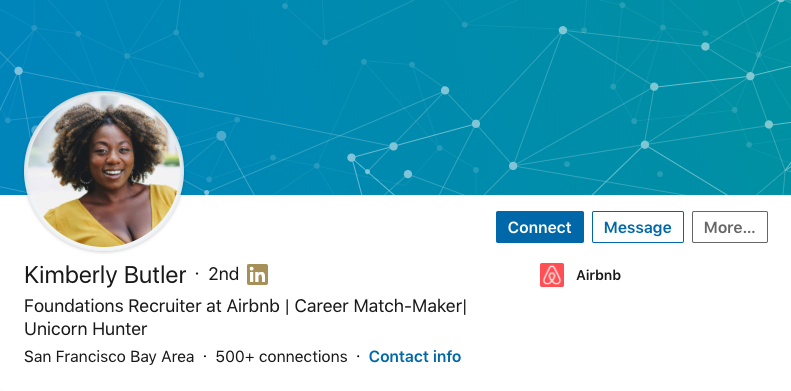
LinkedIn headlines appear beneath profile names and in several areas of the platform, including search results, profile previews, and activity feeds. Their placement makes them an important part of how professionals introduce themselves.
A headline can communicate more than a current job designation. LinkedIn allows members to customize this field independently of their employment title, making it possible to highlight specialist experience or professional services.
For example, "Content Writer" identifies a general occupation, while "Technical Content Writer | SaaS, AI & Software Documentation" describes a more specific area of expertise.
This distinction helps recruiters and potential clients assess relevance quickly. A headline cannot establish professional credibility on its own, but it can direct attention toward the experience, qualifications, and LinkedIn bio that reinforce it.
Defining Your Professional Identity
Writing a useful headline begins with deciding how to present professional experience. The goal is to identify the strongest connection between existing expertise and the opportunities someone wants to pursue.
For employed professionals, the current role may provide the clearest starting point. Freelancers may benefit from describing their services, while business owners can emphasize their industry and business specialization.
Three elements help establish this direction:
● Professional role: Use a recognizable designation that accurately reflects existing work, qualifications, or professional responsibilities.
● Core specialization: Identify technical skills, services, or industry experience that distinguish the profile from others with similar titles.
● Target audience: Determine whether the headline should primarily appeal to recruiters, hiring managers, prospective clients, or industry collaborators.
A freelance designer specializing in small-business branding could use "Freelance Brand Designer | Visual Identity for Small Businesses." This describes both the service and its intended audience. The headline should reflect an identifiable professional strength rather than attempt to summarize an entire career.
Finding the Right Keywords
Relevant keywords help communicate expertise using terminology familiar to employers and industry professionals. They also provide LinkedIn with information about professional roles and skills, although keyword placement alone does not guarantee search visibility.
Job descriptions are one of the most useful research sources. Reviewing several listings for similar positions can reveal recurring job titles, required skills, industry terminology, and specialist responsibilities.
For a data analyst, relevant terms might include SQL, Power BI, data visualization, and business reporting. However, these keywords serve different purposes. "Data Analyst" identifies the professional role, while SQL and Power BI indicate technical capabilities.
A practical research method involves reviewing five to ten relevant job descriptions and identifying repeated requirements that match actual experience. Select the most meaningful terms rather than including every available keyword.
The headline "Data Analyst | SQL, Power BI & Business Reporting" establishes a clearer identity than a long list of programming languages and unrelated software tools. Keywords should strengthen the professional description, not replace it.
Structuring a Strong Headline
A well-structured headline places the most recognizable information first and adds relevant details in a logical order.
One practical format is:
Professional Role | Core Expertise | Industry Specialization
For example: "Digital Marketing Specialist | SEO & Paid Search | E-commerce"
The role establishes professional identity, the skills indicate specialization, and the industry provides additional context.
This format can be adjusted depending on career objectives. A senior manager may prioritize leadership responsibilities, while a freelance consultant may focus on services and target clients.
LinkedIn headlines can contain up to 220 characters, but using the entire allowance is unnecessary. Longer descriptions may also be truncated in search results and mobile previews, making the opening words particularly important.
Vertical bars or other simple separators can improve readability. However, excessive punctuation and fragmented phrases can make a headline resemble a keyword list rather than a professional introduction. The most effective structure is one that readers can understand immediately.
Highlighting Skills and Expertise
A headline becomes more informative when it identifies the skills most closely connected to a person's professional responsibilities.
The challenge is selecting the right details. Someone working in digital marketing may have experience with SEO, advertising, social media, email campaigns, and analytics. Listing every skill can make the headline unfocused. A more useful approach is to prioritize skills that represent a recognizable specialization.
For example, "Marketing Specialist | Email Automation, CRM & Customer Retention" communicates a particular area of marketing expertise. It provides more professional context than a headline containing several unrelated marketing disciplines.
Industry knowledge can also be valuable. A writer specializing in financial technology may benefit from mentioning fintech, while someone working primarily with software companies could highlight SaaS content.
The selected skills should be supported by work experience, projects, qualifications, or portfolio examples. A headline establishes expectations that the rest of the profile should reinforce.
Adding Measurable Professional Value
Professional achievements can make headlines more distinctive when they communicate relevant and verifiable accomplishments.
This is particularly useful for experienced managers, consultants, sales professionals, and business leaders whose responsibilities involve measurable outcomes.
For example, "Sales Director | Expanded Operations Across 5 Markets" communicates a specific achievement more effectively than "Results-Driven Sales Leader."
Relevant certifications, industry experience, and leadership responsibilities can also strengthen a headline. However, they should be included only when they contribute meaningfully to the intended professional positioning.
Claims such as "Top Marketing Expert" or "Industry-Leading Consultant" provide limited value without credible supporting evidence.
Metrics also require context. A percentage increase may sound impressive, but it should represent an accurate accomplishment that can be explained through the profile's Experience section.
The headline introduces professional value, while the rest of the profile provides supporting details.
LinkedIn Headlines by Profession
Different professional roles require different headline priorities. Technical specialists often benefit from emphasizing tools and expertise, while consultants and service providers may need to explain their services or intended clients.
The following examples demonstrate how professional identity and specialization can be combined.
| Profession | LinkedIn headline example |
| Content Writer | SEO Content Writer | SaaS & Technology |
| Software Developer | Backend Developer | Python, APIs & Cloud Services |
| Digital Marketer | Digital Marketing Specialist | SEO & Paid Campaigns |
| Graphic Designer | Brand Designer | Visual Identity & Digital Assets |
| HR Specialist | HR Specialist | Recruitment & Employee Relations |
| Data Analyst | Data Analyst | SQL, Power BI & Reporting |
| Educator | Mathematics Educator | Curriculum Development |
| Operations Manager | Operations Manager | Supply Chain & Process Improvement |
These examples prioritize recognizable terminology over decorative language. A backend developer benefits from identifying relevant programming skills, while an HR professional may find greater value in highlighting recruitment or employee relations.
The wording should reflect the responsibilities associated with each profession rather than follow an identical template across unrelated careers.
Headlines for Different Career Stages
Career experience influences which details deserve space in a LinkedIn headline. Students, experienced employees, freelancers, and career changers have different strengths to communicate.
- Students and recent graduates can highlight their education, technical knowledge, and relevant projects. "Computer Science Graduate | Python, SQL & Data Projects" provides specific information without implying professional experience that has not yet been gained.
- Job seekers should maintain a recognizable professional identity. A headline such as "Financial Analyst | Budgeting, Forecasting & Reporting" communicates expertise more effectively than relying entirely on "Actively Seeking Opportunities."
- Experienced professionals can emphasize specialist responsibilities, industry knowledge, leadership positions, or measurable accomplishments.
- Freelancers and business owners often benefit from describing their services and target markets. "Freelance Web Designer | WordPress Websites for Small Businesses" explains the professional offering directly.
- Career changers should prioritize transferable experience and relevant new skills. A customer operations professional moving toward analytics might emphasize SQL and reporting while retaining an accurate description of their existing background.
Professional positioning can support career transitions without presenting aspirations as completed achievements.
Improving Weak Headline Examples
Many LinkedIn headlines are not inaccurate; they simply lack useful detail. Improving them usually involves replacing vague descriptions with more specific roles, skills, and industry context.
| Basic headline | Improved headline |
| Experienced Content Writer | B2B Content Writer | SaaS & Technical Articles |
| Hardworking Marketing Professional | Marketing Executive | Email Campaigns & CRM |
| Computer Science Student | Computer Science Student | Python & Web Development |
| Freelancer | Freelance Web Designer | WordPress & Small Business Websites |
| Founder and Entrepreneur | Founder | E-commerce Operations & Retail Strategy |
The improved versions communicate information that the original descriptions leave unclear.
"Experienced Content Writer" provides little indication of the industries or content formats involved. Adding SaaS and technical articles establishes a more recognizable specialization.
Similarly, "Founder and Entrepreneur" identifies business ownership without explaining the industry or operational focus.
Effective editing involves removing unsupported adjectives, identifying missing professional information, and replacing general descriptions with specific expertise. These small content changes should make the result more informative rather than simply longer.
Common Headline Writing Mistakes
A LinkedIn headline can become less useful when it prioritizes appearance over clear professional information.
Several mistakes frequently reduce its effectiveness:
● Using vague descriptions: Terms such as passionate, innovative, dedicated, and hardworking describe general qualities rather than professional expertise. Recognizable roles and skills communicate more substantial information.
● Adding excessive keywords: Long lists of tools and technical abilities may obscure the main specialization. Select keywords connected to relevant professional responsibilities.
● Making unsupported claims: Descriptions such as "Leading Industry Expert" or "Top Business Consultant" can weaken credibility when the profile contains no supporting accomplishments.
● Using unfamiliar abbreviations: Industry abbreviations may be appropriate for specialist audiences, but unexplained terminology can confuse people outside that field.
● Copying generic templates: A headline designed for a business founder may not suit an entry-level professional. Career goals and existing experience should determine the structure.
A further problem is inconsistency between the headline and profile content. Claims about leadership, specialist expertise, or particular skills should be reflected in the Experience, Skills, Projects, or Featured sections.
Editing and Testing Your Headline
LinkedIn members can update their professional headline through the profile introduction section.
On desktop, open Me → View Profile, select the edit icon near the top of the profile, modify the Headline field, and save the changes. The mobile application provides a similar editing option.
Because the headline is separate from the job title listed under Experience, it can be revised without changing employment information.
After editing, check how the headline appears on desktop and mobile. Verify that the opening words establish professional identity, the formatting remains readable, and the supporting keywords reflect actual expertise.
LinkedIn also provides Search Appearances information, which can offer insight into how frequently a profile appears in search and, where available, the professional characteristics of people finding it.
These observations can help assess visibility, but changes in profile appearances cannot automatically be attributed to headline wording. Professional activity, profile updates, search behavior, and network growth may also influence results.
A headline should be reviewed when professional responsibilities, expertise, services, or career objectives change, rather than edited frequently without a clear purpose.
Final Verdict
I prefer LinkedIn headlines that communicate real professional expertise instead of relying on impressive-sounding descriptions. A headline such as "Visionary Leader | Strategic Thinker | Growth Enthusiast" might appear polished, but it provides little information about the person's responsibilities or capabilities. A clear role followed by relevant expertise gives recruiters, clients, and professional connections something meaningful to evaluate.
My recommendation is to begin with a recognizable job title, identify the strongest relevant skills, and include specialization only where it adds value. Avoid filling every available character or forcing unnecessary achievements into the description. A good LinkedIn headline should make existing professional strengths easier to recognize, while the rest of the profile provides the evidence behind them.
Comments