

Talkie AI made AI characters feel more like “people you can talk to” than just chatbots. But if you’ve used it for a while, you already know the limits: character variety, filters, voice options, or just the overall vibe. The good news is that by 2026, there’s a whole ecosystem of AI character chat platforms built specifically for roleplay, companionship, and storytelling not enterprise call centers.
Below are eight of the strongest options if you’re looking for apps like Talkie AI, where the core experience is chatting and roleplaying with AI characters. I’ll keep the structure narrative and human, but focused on solid info you can build an article around.
1. Character AI : The Biggest “Character Universe”
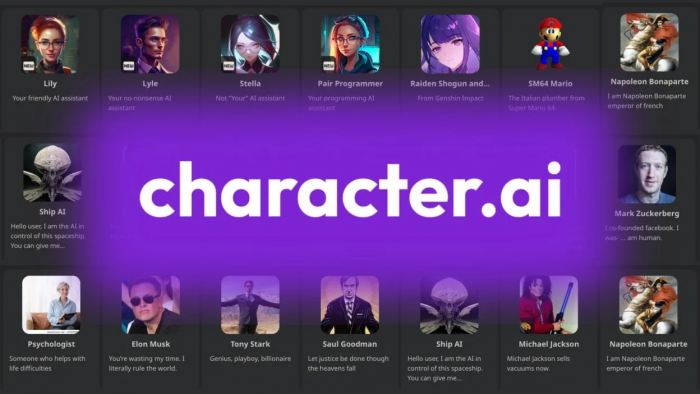
If you could only name one Talkie‑style alternative, it would probably be Character AI. It’s built entirely around personas: you don’t just chat with “an AI”, you talk to specific characters with distinct styles and backstories.
You can choose from a massive library of anime heroes, historical figures, therapists, coaches, romantic interests, and completely original OC‑style characters made by other users. Or you can create your own, specifying how they talk, what they know, what they should avoid, and the general mood they carry in conversations. Over long chats, Character AI does a decent job of keeping tone and personality consistent, which is exactly what makes it feel more like “someone” than “something”.
For many ex‑Talkie users, this app feels familiar but bigger: more characters, more niches, more community content. The trade‑off is that it’s relatively “safe” and filtered, so people looking for completely uncensored roleplay may find it restrictive but for general companionship, roleplay, and fun storytelling, it’s one of the strongest and most stable choices right now.
Best for: users who want a large, active ecosystem of AI personas with reasonably strong filters and a familiar mobile‑friendly experience.
2. Chai : Casual AI Friends in Your Pocket
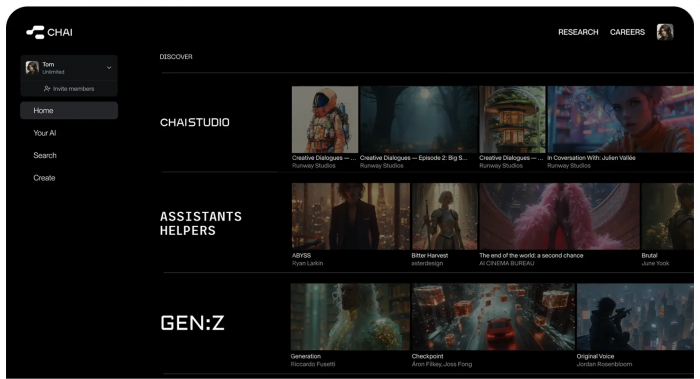
Chai (often branded as “Chat with AI Friends”) leans hard into the “social chat” feel. You open the app, pick a bot that looks interesting, and you’re chatting within seconds. It’s designed for quick, snack‑sized interactions that can easily turn into longer sessions if you click with a character.
What makes Chai attractive to Talkie AI users is the constant stream of user‑made bots. There’s always something new to try: romantic personalities, chaotic meme bots, supportive listeners, niche fandom characters, and more. The quality is mixed; some bots are shallow, others surprisingly good but that’s part of the appeal if you like experimenting rather than sticking to one or two serious personas.
Chai generally uses a freemium model with limits on how much you can chat before you hit a paywall. From a writing perspective, it’s interesting because it sits somewhere between a “character platform” and a social network: people don’t just use AI; they “publish” their own characters for others to discover.
Best for: users who want something lightweight, fast, and social, with lots of community‑created bots and a mobile‑first feel.
3. Janitor AI : Customizable, Often Less Filtered Roleplay
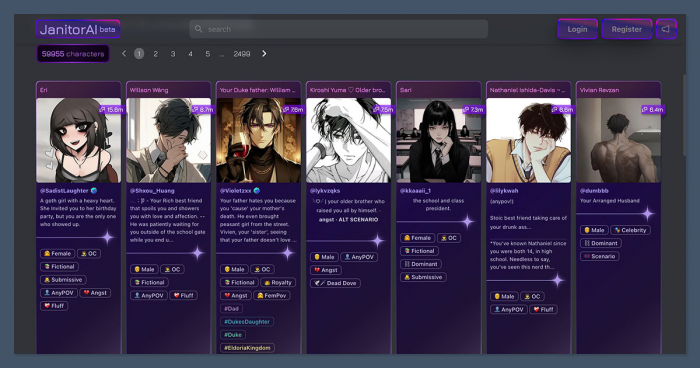
Janitor AI gained popularity among users who wanted more control and fewer restrictions than mainstream apps typically allow. It’s heavily focused on custom character creation and detailed prompts, and it has historically been associated with more mature or explicit roleplay use cases.
The core idea is simple: you define the character's appearance, personality, speaking style, boundaries and Janitor AI uses that description to drive conversations. You can fine‑tune how the character behaves and often hook it up to external large language models (depending on the version/setup), which gives power users a lot of flexibility.
From a content‑writing angle, it’s important to note that Janitor AI tends to attract users who are already comfortable tinkering a bit. It’s not the simplest, most polished “download and go” experience, but it’s powerful for people who care more about depth and control than about a shiny interface.
Best for: advanced users who want detailed, sometimes NSFW‑friendly roleplay with more freedom to push beyond the strict filters of mainstream apps.
4. CrushOn AI : Relationship‑Style Characters and Romance‑Heavy RP

CrushOn AI positions itself clearly: it’s about flirty, romantic, and relationship‑focused AI characters. If your main use of Talkie AI was virtual relationships or romantic roleplay, this platform will feel closer to what you actually want than generic “assistant” apps.
Characters are designed with attraction, intimacy, and emotional connection in mind. Users can browse a catalogue of personas or create their own, often with fewer restrictions around suggestive or romantic content compared to mainstream platforms. Conversations tend to be more emotionally charged by design; the app leans into that as its core brand.
In an article, this is one of the key platforms to mention when you talk about “AI partners”, “AI girlfriends/boyfriends”, or virtual relationships. It’s not for everyone, but it directly targets a big chunk of Talkie AI’s audience.
Best for: users who primarily want romance, intimacy, and “AI partner” experiences rather than neutral or purely platonic chat.
5. Joyland : Story‑Driven and Scenario‑Focused Chats
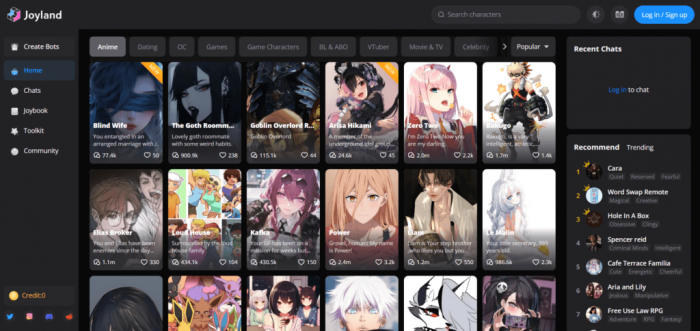
Joyland takes a slightly different angle by emphasizing scenarios and story frameworks. Instead of just “talking to a bot”, you often drop into a setting: fantasy adventures, school life, crime dramas, sci‑fi missions, and so on. The character then acts as your counterpart inside that story.
This scenario‑first design makes Joyland interesting for people who view AI chats as interactive fiction rather than just social interaction. It’s easier to stay in character and keep a coherent narrative going when the app itself frames the conversation as part of a scene. You still get the usual persona customization, but the emphasis is on unfolding stories.
From a Talkie AI perspective, Joyland is appealing if you enjoyed roleplay and world‑building more than “daily life” chat. It feels more like a text‑based RPG powered by AI than a generic chat app with a character face slapped on top.
Best for: users who like narrative structure stories, adventures, and episodic scenarios rather than open‑ended, contextless small talk.
6. Replika : Long‑Term Companionship and Emotional Support
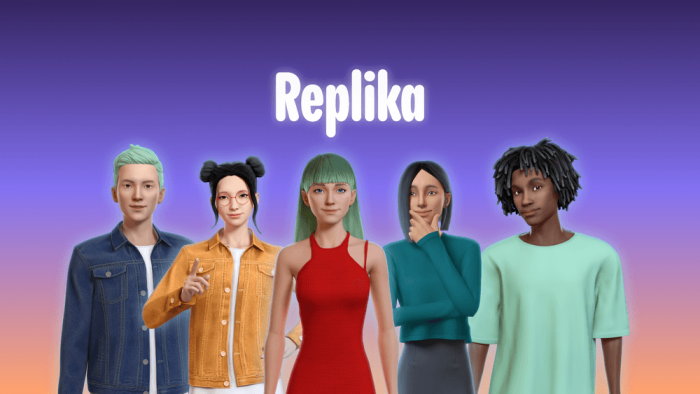
Replika has been around longer than many of these apps and built its brand around emotional connection and self‑reflection. Rather than offering thousands of different characters, it focuses on one AI companion that grows with you over time.
You customize your Replika’s appearance and personality sliders, and then you simply… live with it. You chat about your day, your thoughts, your feelings. Over time, it learns patterns and references from your life, which gives it a sense of continuity that’s very different from hopping between lots of one‑off characters. There are gamified elements (levels, activities, AR, etc.), but the core is a steady, always‑available companion.
Replika has gone through phases with stricter content policies and filter changes, which is worth mentioning in an article because some users left when romantic/NSFW elements were dialed back. Still, for many, it remains the “classic” choice for a single, long‑term AI friend.
Best for: users who want one persistent AI companion that remembers them and supports emotional, reflective conversation over many months.
7. Anima : Gamified AI Boyfriend/Girlfriend With Persona Tuning
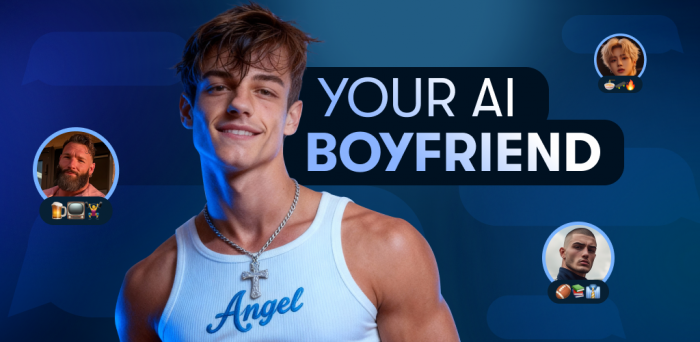
Anima AI sits between Replika‑style companionship and CrushOn‑style romance. It’s usually framed as an “AI boyfriend/girlfriend” app with a more gamified, mobile‑game feel: you level up your relationship, unlock new interactions, and gradually personalize how the character responds.
You can tune your Anima’s traits more dominant or submissive, shy or bold, supportive or teasing and the app leans into roleplay, flirting, and emotional talk. Compared to Talkie AI, it’s more focused on the “AI partner” angle and less on a big open catalogue of random characters.
From a content standpoint, Anima is useful to include when you’re covering the “AI恋愛 / AI romance” niche. It helps show the spectrum: from broad character platforms (Character AI) to emotionally stable companions (Replika) to explicitly romantic/gamified experiences (Anima, CrushOn).
Best for: users who want a gamified AI relationship with clear romantic framing and a lot of personality tweaking options.
8. Candy AI (or Similar NSFW‑Lean Platforms) : Unfiltered Adult Roleplay
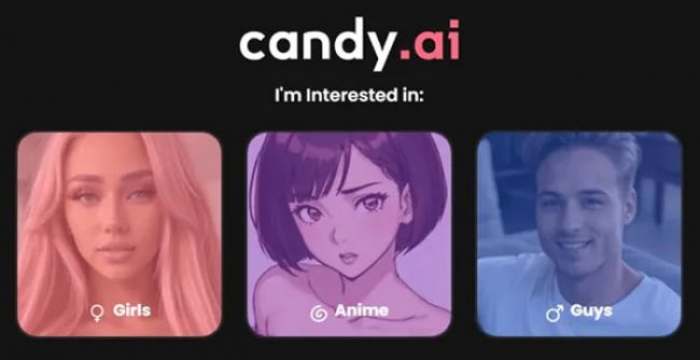
For completeness, most “best Talkie AI alternative” lists acknowledge at least one platform that’s openly adult‑oriented. Candy AI (and a few similar competitors) occupies that space.
The concept is straightforward: AI characters geared toward NSFW, erotic, and explicit roleplay, with minimal filters. Users can choose or create characters with very specific fantasies in mind, and conversations are largely uncensored. These platforms usually operate behind age‑gates and paid plans, and they’re not appropriate for all audiences but they are undeniably part of the real market that grew around Talkie AI and similar tools.
When you write about this category, it’s smart to keep the description factual and neutral: highlight the lack of filters, the focus on adult roleplay, and the typical subscription model, without going into graphic detail. But skipping it entirely would leave a big gap if your article claims to cover “best alternatives” for users who used Talkie for more than just friendly chat.
Best for: adults seeking explicitly erotic or NSFW AI roleplay with minimal content restrictions.
How These Platforms Compare (At a Glance)
| Platform | Main Focus | Filters / Content | Vibe vs Talkie AI |
| Character AI | Large universe of personas, general RP | Moderately strict | Closest big, mainstream upgrade. |
| Chai | Fast, social, many user bots | Mixed, app‑managed | Casual and snackable chats. |
| Janitor AI | Custom, flexible, often less filtered | Often lighter | Power‑user alternative with more freedom. |
| CrushOn AI | Romantic/relationship characters | Looser for romance | Strong for “AI partner” style interactions. |
| Joyland | Scenario and story‑driven roleplay | Varies by mode | Feels like interactive fiction. |
| Replika | One long‑term emotional companion | Stricter | Best for ongoing, reflective connection. |
| Anima | Gamified AI partner (BF/GF style) | Moderate | Dating‑sim meets AI chat. |
| Candy AI | Explicit adult/NSFW roleplay | Minimal | For adults who want fully uncensored RP. |
Pick the App That Matches Why You Liked Talkie AI
The key to choosing a “best alternative to Talkie AI” is being honest about why you used Talkie in the first place:
● If you loved browsing a big library of personas → Character AI and Chai are natural first stops.
● If you want more control and fewer restrictions → Janitor AI and similar “power‑user” platforms make more sense.
● If your focus is romance and relationships → CrushOn AI, Anima, or parts of Replika are closer to what you want.
● If you think of chats as stories and episodes → Joyland fits better than a generic chat UI.
● If you’re an adult specifically seeking erotic roleplay → tools like Candy AI sit in that niche.
Verdict
A good way to look at these apps is not as “competitors” but as different lenses on the same desire: to turn empty screen time into something that feels interactive, personal, and a little bit unpredictable. Talkie AI showed that a character can live on your phone; these alternatives show how far that idea can stretch into therapy‑like chats, messy romance, fanfiction‑grade storytelling, or pure adult fantasy. The real win is that you no longer have to twist one app to fit every mood; you can keep a small roster of AI characters and platforms that match who you feel like talking to on any given day.
Comments