

Gening AI has become a popular browser-based platform for AI companions, roleplay, and long-form storytelling, especially because Gening AI supports custom characters, NSFW options on paid tiers, and persistent memory across chats. At the same time, many users outgrow it: some want richer worlds, some want less censorship, others want tools better suited for serious writing instead of casual chat.
This guide looks at eight strong alternatives through one lens: what kind of experience each tool gives you—from big social roleplay hubs to uncensored companion apps and serious story engines. Pricing is covered briefly and clearly for context, with focus on how each platform actually feels to use.
Quick comparison: the 8 strongest Gening AI alternatives
The table below is based on the latest public pricing and feature descriptions I could verify from official pages and recent 2026 reviews.
| Tool | Best for | Starting price |
| Character.AI | Best free mainstream option | Free, c.ai+ from $9.99/month |
| Kindroid | Deep customization and strong memory | From $13.99/month on web |
| Nomi AI | Emotional continuity and companion feel | $14.99/month |
| CrushOn AI | Unfiltered roleplay with built-in media | From about $5.99/month |
| Replika | Classic companion app with avatar layer | $19.99/month |
| Candy AI | Visual companion experience | $12.99 to $13.99/month, or lower annually |
| Chub AI | Advanced roleplay sandbox | Free, Mars tier $20/month |
| JanitorAI | Technical users who want model freedom | $0 to start, extra API costs may apply |
1. Character.AI is the easiest switch if you mostly want more characters for less money
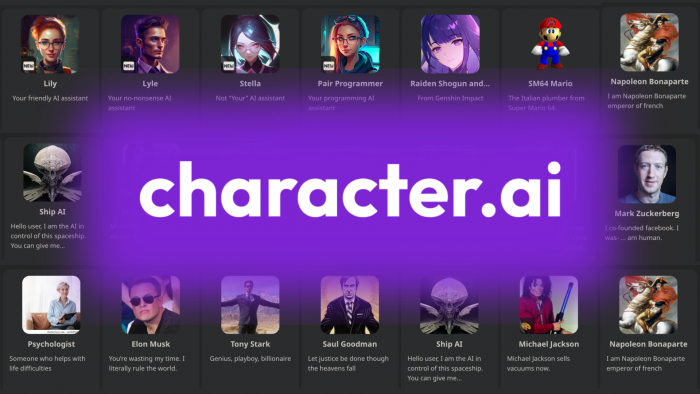
For users who like Gening because it is quick and low-friction, Character.AI is the best and most obvious replacement. The free plan still gives unlimited messages and access to a massive character ecosystem, while the paid c.ai+ tier is mainly about speed, queue priority, voice, and newer extras like the Imagine Gallery image feature added in March 2026. In other words, Character.AI is not selling itself as a heavy-credit creative suite. It is selling scale, accessibility, and a polished consumer experience.
Where Character.AI feels stronger than Gening is breadth. If your main habit is opening a site and hopping between personalities, fandom bots, helper personas, and storytelling characters, Character.AI’s library advantage is hard to ignore. Gening can feel more experimental, but Character.AI feels more mature as a general-purpose character playground. The tradeoff is that content restrictions are tighter and users have complained about more aggressive in-chat ads on the free experience.
Pros and cons
| Character.AI pros | Character.AI cons |
| Free tier is unusually generous | Content filters are tighter than Gening |
| Huge character library | Free plan has ads and can feel interrupted |
| No-credit feel for casual chat | Paid plan improves speed more than core capability |
| Good for everyday browsing and roleplay-lite use | Not ideal if you want uncensored chat |
Where it beats Gening AI
Character.AI beats Gening when your priority is volume and simplicity. You get a broader public character ecosystem, unlimited free chat, and a platform that feels built for daily casual use rather than credit management. If Gening feels like a lightweight creative suite, Character.AI feels like the bigger social universe.
2. Kindroid is the better choice when you want to build a character, not just pick one
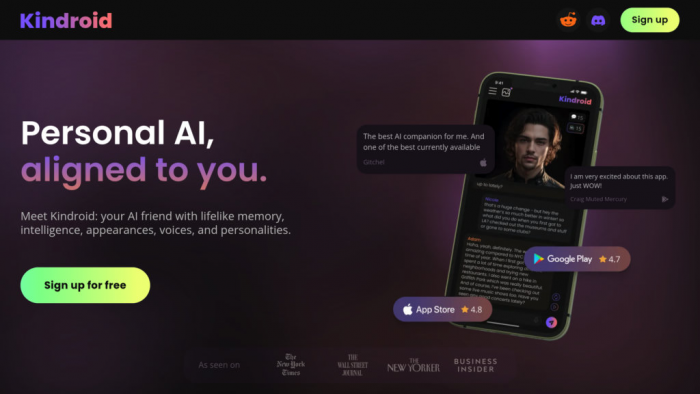
Kindroid has become one of the strongest upgrades for users who feel Gening’s custom characters are not distinct enough. Its official subscription documentation lists direct web pricing at $13.99 per month, $37.99 per quarter, and $139.99 per year, with higher app-store pricing on mobile storefronts. More importantly, the platform’s reputation is built around deeper personality definition, stronger long-term memory behavior, and broader control over how a companion behaves.
The practical difference is simple. Gening lets you create characters. Kindroid lets you engineer them. If you care about backstory, behavioral consistency, role context, and long-running continuity, Kindroid is much closer to a character design tool than a casual prompt wrapper. That makes it better for serious roleplayers and users who want a companion that evolves more coherently over time.
Strengths and weaknesses
| Kindroid pros | Kindroid cons |
| Strong customization depth | More complex than Gening for beginners |
| Better continuity over time | Costs more upfront than Gening’s visible promo pricing |
| Voice and richer companion controls | Less instant and playful out of the box |
| Good fit for long-term users | Can feel setup-heavy |
Pricing details below come from Kindroid’s own subscription documentation.
Where Kindroid pulls ahead of Gening AI
Kindroid beats Gening when character depth matters more than instant access. It is better for users who want a companion with a more stable identity, stronger memory behavior, and more deliberate personalization. Gening is easier to start. Kindroid is better to stay with.
3. Nomi AI is the memory-first alternative
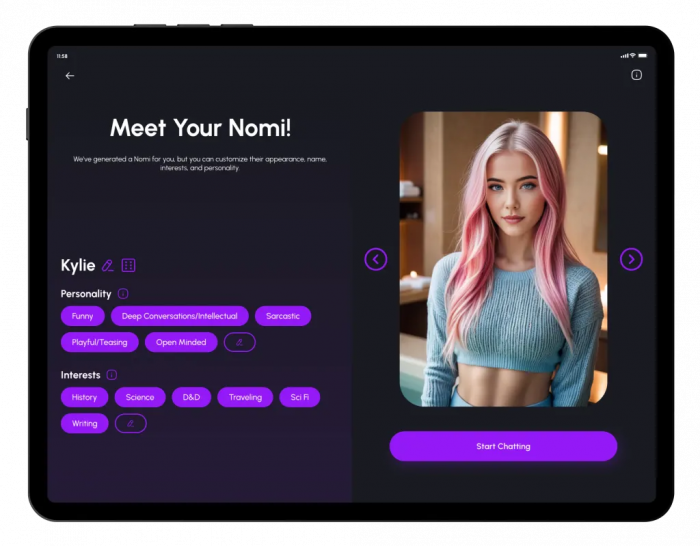
Nomi’s pitch is unusually focused. Its official site emphasizes emotional intelligence, privacy, and memory, while its 2026 review coverage points to a three-layer memory system, group chat support, voice, and limited daily image generation even on free access. The monthly plan is $14.99, with annual pricing commonly falling in the roughly $69 to $89 range depending on region.
That matters because one of Gening’s clearest weaknesses is persistence. It can remember within a session, but it is not the best place for long, evolving relational continuity. Nomi is built for exactly that. It is less about constant novelty and more about emotional recall. If you want a companion that references prior conversations naturally and maintains a more coherent relationship thread, Nomi is one of the strongest upgrades on the market right now.
The tradeoff at a glance
| Nomi pros | Nomi cons |
| Excellent long-term memory | No explicit NSFW positioning |
| Strong emotional consistency | More expensive than casual free options |
| Voice and multi-companion/group chat | Smaller public character culture than Character.AI |
| More relationship-driven than novelty-driven | Visual output is not its main edge |
Where Nomi outclasses Gening AI
Nomi beats Gening on memory, emotional continuity, and companion quality. If Gening is better for trying characters quickly, Nomi is better for building one relationship that actually feels cumulative.
4. CrushOn AI is the better fit if you want fewer restrictions and built-in extras
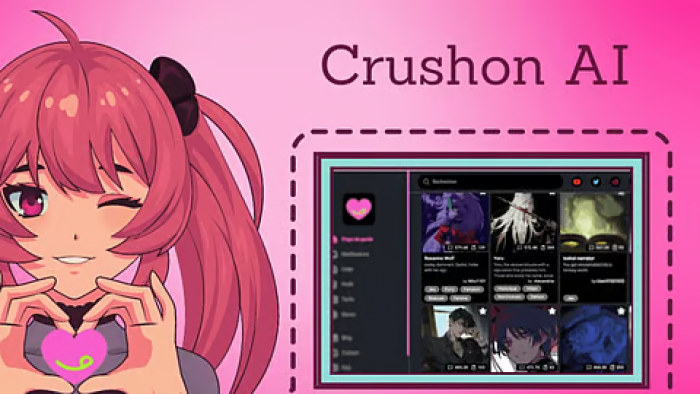
CrushOn AI is the best if you want fewer restrictions and built-in extras. CrushOn AI sits much closer to Gening’s uncensored, roleplay-oriented side, but with a clearer paid structure. Recent 2026 pricing coverage shows a free plan with 100 messages per month, then paid tiers around $5.99, $9.99, and $14.99 per month, with image generation and voice features entering at higher tiers. Its wiki and review coverage consistently frame it as a more open-ended platform for unrestricted character interaction.
This makes CrushOn a practical step up for users who like Gening’s creative freedom but want a cleaner subscription ladder and stronger media support. It is not the most emotionally nuanced platform on this list, but it is very good at giving users what they came for without forcing them into complicated technical setup.
What works, what does not
| CrushOn AI pros | CrushOn AI cons |
| More open-ended roleplay | Free tier is limited |
| Paid tiers are clearer than Gening’s credit-style positioning | Can get expensive if you want the full experience |
| Built-in image and voice on higher plans | Less polished emotionally than Nomi or Replika |
| Good balance of freedom and usability | Not the cheapest long-term option |
Where it beats Gening AI
CrushOn beats Gening when you want a more focused uncensored chat product with clearer monetization and a better-defined upgrade path. It keeps the creative freedom but feels less like an all-in-one experiment hub and more like a dedicated roleplay platform.
5. Replika remains relevant if you want the old-school AI companion model
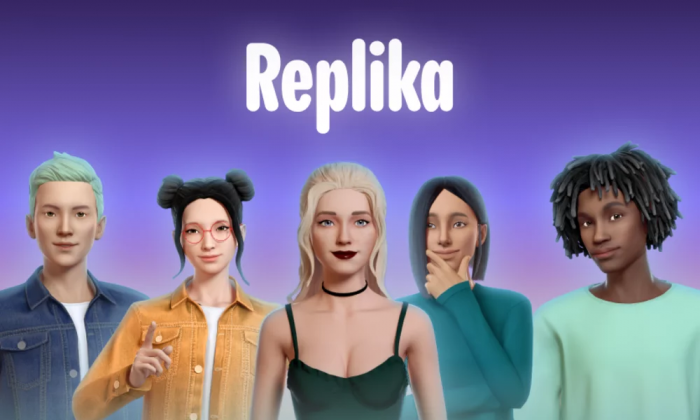
Replika is no longer the most flexible option in this market, but it still matters because it leans into emotional companionship, 3D avatars, voice, and AR in a way most Gening-style rivals do not. Recent 2026 pricing reports put Replika Pro at $19.99 per month, $79.99 per year, with a lifetime option around $299.99. The downside is that newer users do not get the same adult-content latitude that some competitors offer.
Replika is best understood as the opposite of Gening in tone. Gening feels like a browser-native creative playground. Replika feels like a product built around one companion relationship, one avatar, and one ongoing emotional loop. That still has a market, especially for users who care more about companionship rituals than large public character libraries.
Replika in practical terms
| Replika pros | Replika cons |
| Mature companion-app design | More expensive than most rivals here |
| 3D avatar, AR, and voice layer | Not ideal for uncensored roleplay seekers |
| Good long-term memory reputation | Free version is limited |
| Familiar and polished | Less customizable than Kindroid |
Where Replika beats Gening AI
Replika beats Gening when you want a more polished companion app, especially if avatar presence, voice interactions, and a single ongoing AI relationship matter more than browsing lots of community characters.
6. Candy AI wins on visual presentation
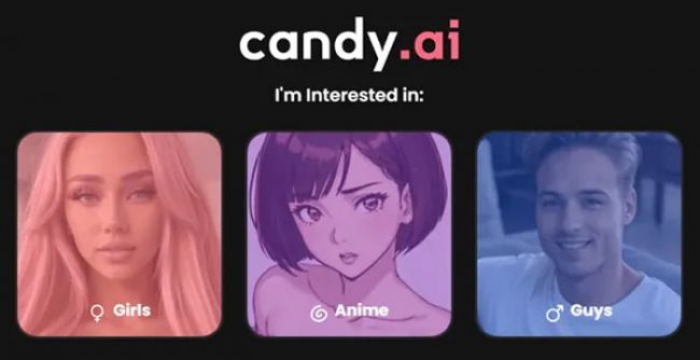
If Gening’s image-generation side is what attracts you, Candy AI is one of the most relevant alternatives. Multiple 2026 reviews put its paid plan around $12.99 to $13.99 per month, with annual pricing dropping as low as roughly $5.99 or even $3.99 per month equivalent depending on plan presentation and promotions. Reviews also note separate token spending for richer image, voice, and video features.
Candy’s biggest edge is that it understands the companion category as a visual product, not just a chat box. That means better emphasis on generated selfies, richer image output, and Live Action style extras. If Gening’s visuals feel handy but secondary, Candy makes them central.
The honest balance
| Candy AI pros | Candy AI cons |
| Strong visual companion experience | Token costs can raise real monthly spend |
| Good image integration | Core chat is not its only cost center |
| Competitive annual pricing | Free tier is limited |
| Better for users who want media, not just text | Can get expensive if you use video and voice heavily |
Where it beats Gening AI
Candy beats Gening when visuals are not just a bonus but the main event. It is the better pick for users who want image-heavy companionship, richer media outputs, and a more polished multimedia presentation.
7. Chub AI is the better sandbox for advanced roleplayers
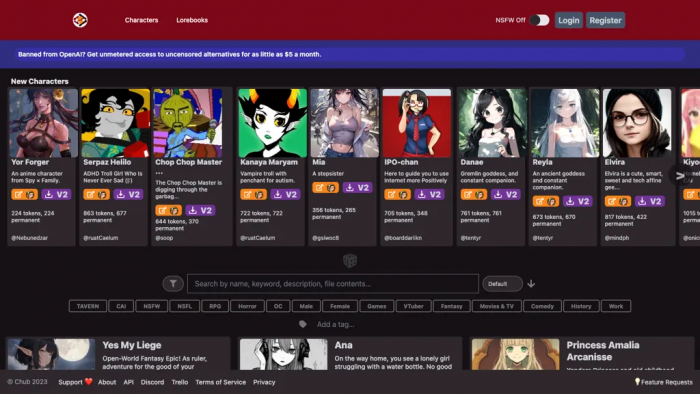
Chub is a different kind of alternative. Its official Mars subscription page states $20 per month for unlimited access to its largest models, while broader coverage around the product highlights community-created characters, structured dialogue flows, model flexibility, and freer roleplay behavior. This is a more technical, experimentation-friendly environment than Gening.
That makes Chub valuable for people who outgrow lightweight tools quickly. If you care about character cards, imported/exported chats, flow trees, or structured prompt behavior, Chub starts to look less like an app and more like a roleplay workbench. It is not as beginner-friendly as Gening, but it has much more headroom.
Why users stay, why some bounce
| Chub AI pros | Chub AI cons |
| Community-driven character ecosystem | Less beginner-friendly than Gening |
| Strong model and prompt flexibility | Quality can vary across community characters |
| Better for advanced roleplay structure | UI and setup can feel niche |
| Official premium tier for heavy users | Not as polished visually as Candy or Replika |
Where it beats Gening AI
Chub beats Gening when you want more control, more community experimentation, and more advanced roleplay mechanics. Gening is easier to sample. Chub is stronger as a serious hobbyist platform.
8. JanitorAI is still the power-user’s escape hatch
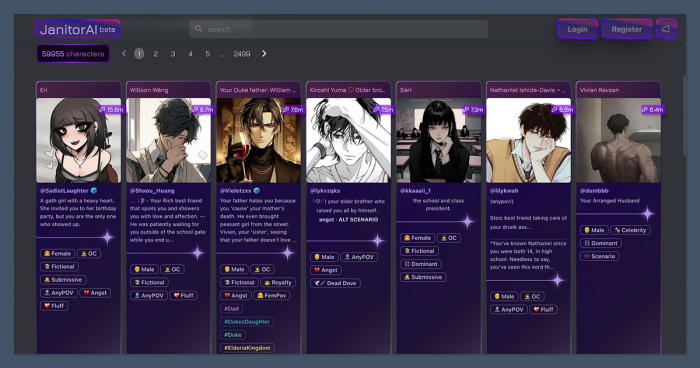
JanitorAI remains one of the most important alternatives because Janitor gives users more freedom over models and setup. Recent coverage consistently describes it as free to start, with a built-in model option for no-cost use, while costs rise only if you connect external APIs or premium engines. That makes it a very different proposition from Gening, which is more packaged and consumer-friendly.
JanitorAI is not where you send someone who wants a smooth first experience. It is where you go when you want control. If you are comfortable thinking about model selection, API keys, and quality tuning, JanitorAI can go much further than Gening. But it also demands more from the user.
The practical reality
| JanitorAI pros | JanitorAI cons |
| Very flexible setup | API configuration can scare off beginners |
| Free to start | Better quality may require paid APIs |
| Good for advanced roleplay and model choice | Less polished than consumer-first apps |
| Strong fit for technical users | Not the easiest all-in-one experience |
Where it beats Gening AI
JanitorAI beats Gening when you want freedom over convenience. It is better for technical users, better for experimentation, and better for anyone who thinks Gening’s all-in-one simplicity comes with too many creative limits.
What you should actually choose
For most users, the best Gening AI alternative is not the same tool.
If you want the simplest free upgrade, choose Character.AI. If you want the best long-term memory and emotional continuity, choose Nomi. If you want deeper character construction, choose Kindroid. If you want freer roleplay with a cleaner paid ladder, choose CrushOn AI. If media output matters most, choose Candy AI. If you want the classic companion app feel, Replika is still relevant. If you are a power user or roleplay hobbyist, Chub AI and JanitorAI offer more room to grow than Gening does.
Bottom Line
Gening AI is convenient, but several rivals are now better defined products. The more specific your goal becomes, better memory, stronger visuals, freer chat, more customization, or a larger character universe, the easier it is to find an alternative that clearly beats it.
Comments