

CrushOn and SpicyChat offer similar basics: public characters, private bots, adult roleplay and paid upgrades for stronger models or longer conversations. After testing both, the main difference was not the number of characters available. It was how each platform lets you control the experience.
CrushOn puts more control into model selection and reply generation. SpicyChat gives creators a more organised system for managing characters, personas, lore and memory. One is better for changing how the AI writes. The other is better for defining what the AI should know.
How I Compared Them
I followed the same workflow on both platforms. I browsed public characters, started several conversations, reviewed the available reply controls and examined how each service handled memory.
I also created a similar private character on each platform. This made it easier to compare their setup process without allowing a stronger community-made bot to influence the result.
I focused on five areas that matter during regular use:
| Test Area | What I Checked |
| Reply quality | Whether responses felt natural, relevant and consistent with the character |
| Memory | Whether the chatbot retained names, locations and earlier story details |
| Character creation | How easily I could define personality, scenario and speaking style |
| Conversation control | Whether I could edit, regenerate or redirect a weak response |
| Value | Whether the free and paid features justified their limits and prices |
Interface design mattered, but it did not carry much weight. A clean dashboard is useful, although it cannot compensate for repetitive replies or weak memory.
CrushOn vs SpicyChat at a Glance
| Category | CrushOn | SpicyChat |
| Best suited to | Users who want to experiment with multiple AI models | Users who want to build detailed characters and roleplay settings |
| Character discovery | Large community library with visible model choices | Easy browsing with tags, recommendations and creator profiles |
| Reply control | Strong model switching and regeneration options | Strong control through personas, lorebooks and memory tools |
| Memory system | Context windows, pinned messages and profile cards | Context memory, Memory Manager and Semantic Memory |
| Character creation | Direct and flexible | More structured and detailed |
| Voice support | Wider selection of voice presets | Text-to-speech is available on the highest plan |
| Starting paid plan | $5.99 per month | Around $5 per month |
| Main concern | Complicated credit system and unclear privacy wording | Useful advanced tools are concentrated in higher plans |
Starting a Chat
Both platforms contain a large library of community-created characters. I found fictional personalities, relationship scenarios, fantasy roleplays and multi-character stories without needing to create anything first.
SpicyChat AI was easier to browse. Character pages clearly showed the creator, tags, opening message and basic scenario. This made it easier to understand what type of conversation I was about to enter.
CrushOn AI also provided plenty of characters, but the platform placed more attention on the model generating the replies. Before spending much time in a conversation, I could see that model choice would be a central part of the experience.
The quality of public characters varied on both platforms. Detailed profiles usually produced more focused openings, while characters with weak descriptions often relied on generic greetings. This is important because a poor community character does not always reflect the quality of the underlying platform.
For casual discovery, SpicyChat felt more organised. CrushOn became more interesting after the conversation started and the model controls became relevant.
Which One Writes Better Replies?
Neither platform produced one consistent type of response. The result depended on the character description, selected model, available context and the way the conversation was prompted.
CrushOn’s main strength was the ability to change the model without changing the character. When replies felt too brief or overly descriptive, switching the model could alter the pacing and writing style. This was more useful than repeatedly regenerating the same type of answer.
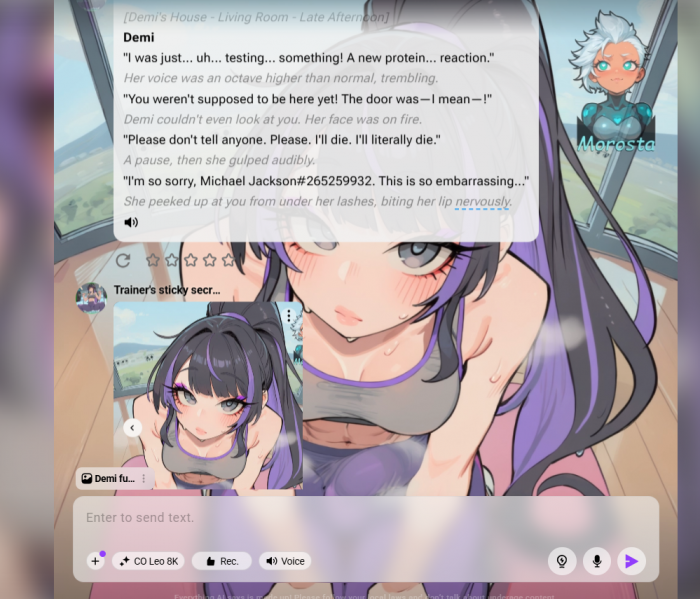
Some models were better suited to emotional conversation, while others focused on longer scenes or direct dialogue. This made CrushOn feel more flexible when I wanted to adjust the tone during an active chat.
SpicyChat also offered multiple models, although the platform depended more heavily on the information surrounding the character. The persona, lorebook and saved memory could influence the conversation as much as the selected model.
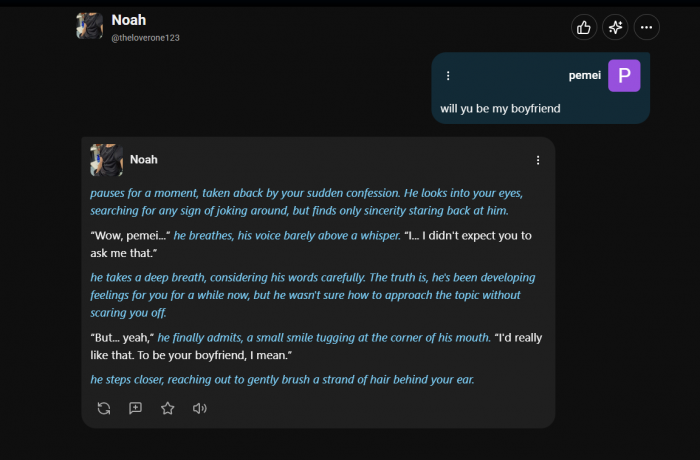
The difference became simple during testing. CrushOn gave me more control over how the response was written. SpicyChat gave me more control over the information used to produce that response.
CrushOn is the stronger choice for users who enjoy switching models and comparing their behaviour. SpicyChat is more suitable for users who prefer to prepare the character and world carefully before beginning a long conversation.
Character Consistency
The opening messages were not enough to judge either platform. Most character chatbots can maintain their personality during the first few exchanges. Problems usually appear once the conversation becomes longer or the scenario changes.
I looked for sudden changes in tone, repeated actions, contradictory details and moments where the character began speaking for the user.
CrushOn gave me more ways to repair a weak conversation while it was happening. I could edit a response, regenerate it or switch to another model. Important facts could also be pinned so they remained available later.
SpicyChat focused more on preventing those problems through better preparation. A clear persona helped define the user’s identity, while lorebooks stored information about locations, organisations and story rules.
CrushOn was more convenient when a conversation needed immediate correction. SpicyChat was better when I wanted to organise the scenario properly before the chat became complicated.
Neither platform completely prevented character drift. A strong setup reduced the problem, but longer chats could still produce repeated wording or conflicting information.
Which Platform Remembers More?
Memory was one of the most important parts of the comparison because both platforms promote long and continuous conversations.
A large context window does not mean the chatbot permanently remembers everything. It determines how much recent conversation and background information the model can consider before generating the next response. Once older information moves outside that window, it may be forgotten unless it has been saved separately.
CrushOn supports longer context limits on higher plans and allows users to pin important messages. This is useful for preserving details such as the user’s role, an important location or a relationship between characters.
Pinned messages can be edited without changing the original conversation. This gives the user some control when the chatbot misunderstands a detail.
SpicyChat makes its memory controls easier to inspect. Free users receive a smaller context window, while paid plans increase the allowance. The available context must also contain the character definition, persona and other instructions, so the entire limit is not reserved for chat history.
Its Memory Manager allows users to save important information manually. Each entry can be edited or deleted, which is useful when a character remembers something incorrectly. Higher plans also include Semantic Memory, which automatically extracts information from previous conversations.
CrushOn offers the higher advertised context ceiling. SpicyChat provides the clearer memory-management system.
During longer chats, this difference matters more than the number shown on the pricing page. A large context window is helpful, but an editable memory entry can be more practical when one specific fact needs to remain accurate.
Creating a Character
Character creation was the strongest area for SpicyChat.
Both services allowed me to define a character’s personality, background, speaking style and opening scenario. I could also decide whether the character should remain private or become available publicly.
CrushOn kept the setup relatively direct. After creating the character, I could refine the result by changing models, editing replies and pinning information.

SpicyChat divided the setup into separate systems. Personas defined who the user was inside the conversation. Lorebooks stored information about the fictional world. Memory tools preserved facts that developed during the chat.
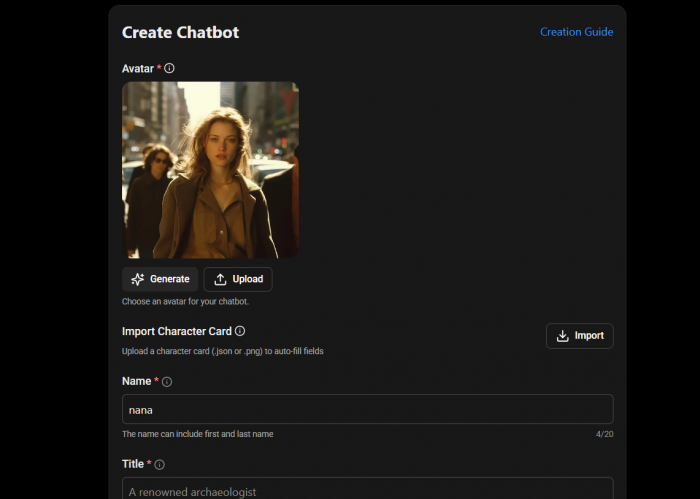
This structure reduced the need to place everything inside one long character description.
For example, a character description could focus on personality and behaviour, while the lorebook stored information about a city, organisation or historical event. A separate persona could then explain the user’s role in the story.
That separation made SpicyChat more suitable for detailed roleplay. It was particularly useful for scenarios involving multiple locations or recurring information.
CrushOn’s simpler process was better for creating a character quickly. SpicyChat required more preparation, but it gave me more control over how information was organised.
Controlling Weak Responses
Both platforms sometimes produced responses that needed correction. The most common problems were repeated descriptions, inconsistent details and characters making decisions for the user.
CrushOn provided stronger controls for changing the response immediately. Editing and regeneration were easy to use, and model switching could produce a noticeably different style.
This made it easier to continue a conversation without restarting it.
SpicyChat’s controls were more closely connected to the original setup. If the character misunderstood the user’s identity or an important world detail, the persona, lorebook or memory entry could be edited.
That approach required more effort, but the correction could continue influencing later messages.
CrushOn is better for users who frequently adjust responses as they chat. SpicyChat is better for users who prefer to correct the underlying character information.
Group Chats, Images and Voice
Both platforms include features beyond standard text conversations, although they should not be the main reason to choose one over the other.
CrushOn supports conversations involving several characters and offers a wider selection of voice presets. Voice options are more relevant here than on SpicyChat, particularly for users who want different character accents or speaking styles.
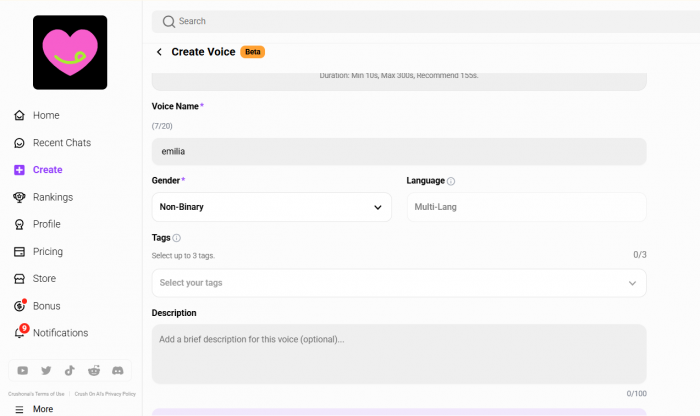
SpicyChat also supports group conversations. Some paid plans include generated conversation images, while text-to-speech is restricted to the highest subscription tier.
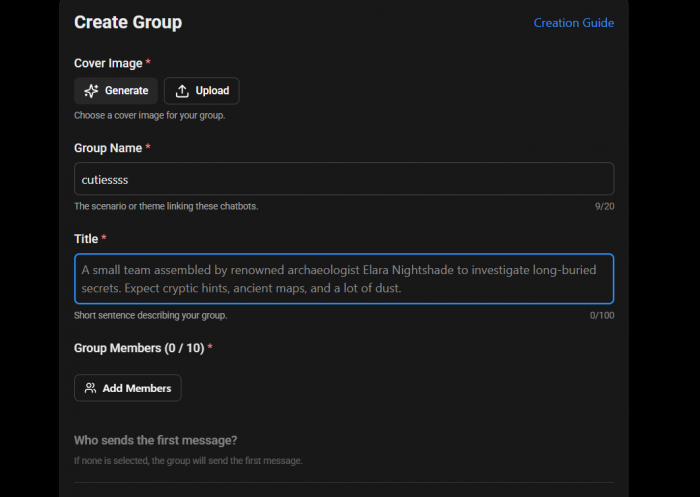
Group chats were less consistent than one-to-one conversations on both services. With several characters active, responses could become repetitive or confuse which character knew a particular piece of information.
These features are useful additions, but conversation quality, memory and character creation remain more important.
Which Plan Offers Better Value?
The entry prices are close, but the platforms use different subscription systems.
| Platform and Plan | Monthly Price | Main Features |
| CrushOn Free | $0 | Access to free models and a limited number of premium credits |
| CrushOn Standard | $5.99 | Additional credits and paid features |
| CrushOn Premium | $14.99 | Higher limits and long-term memory features |
| CrushOn Luxe | $39.99 | Larger usage limits and expanded access |
| SpicyChat Free | $0 | Basic models, advertisements and up to 4K context |
| SpicyChat Get A Taste | Around $5 | No advertisements, Memory Manager and additional personas |
| SpicyChat True Supporter | $14.95 | 8K context, Semantic Memory and longer responses |
| SpicyChat I’m All In | $24.95 | 16K context, priority generation, text-to-speech and full model access |
Prices were checked on July 10, 2026 and may change.
SpicyChat’s pricing was easier to understand. Each subscription level added a visible set of features, including more memory, stronger models and additional creation tools.
CrushOn used credits for premium models and certain actions. Free models remained available, but the value of a subscription depended on how often premium models were used and how frequently responses were regenerated.
The free plans were enough to test the basic experience. Regular users would need to look beyond the starting price and consider how much memory, model access and generation capacity they actually need.
SpicyChat’s True Supporter plan offered the most balanced collection of features for creators. CrushOn Premium made more sense for users who specifically wanted broader model access and longer context options.
Privacy
Privacy remains a concern on both platforms because character conversations can include personal or sensitive information.
CrushOn’s marketing pages have stated that conversation history is not used for training. Its formal privacy policy, however, says that chat content and other user-generated information may be processed for model training.
That inconsistency is significant. The formal privacy policy should be treated as the stronger statement.
The policy also covers information submitted through chats, character designs and uploaded images. Its data-retention language is broad rather than providing one simple deletion period.
SpicyChat’s publicly available privacy information appears older than several of its current features. This creates uncertainty around how newer systems such as Semantic Memory, generated images and voice functions are handled.
Neither service should be used to store confidential information. Real names, passwords, financial information, medical details and workplace data should not be entered into character chats.
CrushOn has the more visible contradiction between its marketing and legal wording. SpicyChat’s weakness is the lack of sufficiently current and detailed privacy documentation.
What Real Users Are Saying
Public feedback for both platforms is mixed.
CrushOn users commonly praise its character variety and model selection. Complaints often focus on repeated replies, unstable model behaviour, premium costs and slow support.
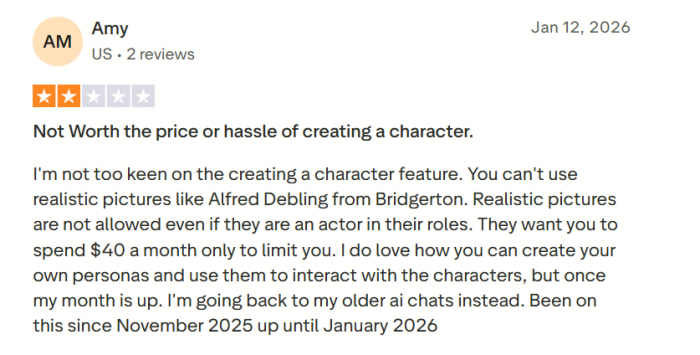
SpicyChat receives positive comments for its character-building tools and flexible conversations. Negative reviews frequently mention memory problems, premium restrictions and inconsistent moderation.
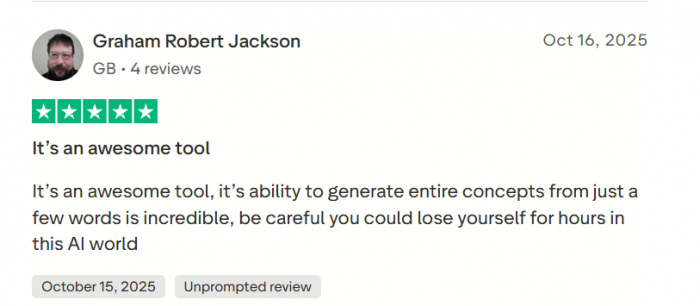
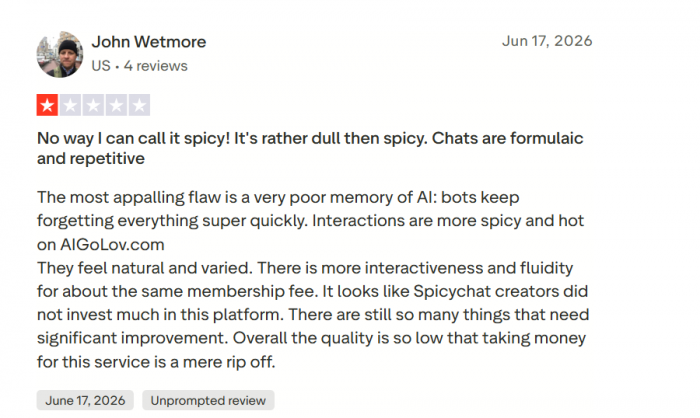
Review scores should not be treated as a complete measure of quality. Users with negative experiences are often more likely to leave public feedback. Repeated complaints are still useful because they show which areas should be tested before subscribing.
On both platforms, those areas are memory, billing, support and model reliability.
Which Platform Should You Choose?
CrushOn is the better choice when model flexibility matters most. It allows users to change the style, length and tone of replies without rebuilding the character.
It also provides stronger voice options and higher advertised context limits on premium plans. The disadvantages are its complicated credit system, expensive upper tiers and unclear privacy messaging.
SpicyChat is the better choice for users who enjoy building detailed characters and fictional settings. Its personas, lorebooks and memory tools separate different types of information and make longer roleplays easier to organise.
Its subscription structure is also more predictable. However, many of its strongest features are reserved for the more expensive plans, and paying for more memory does not guarantee perfect recall.
Final Verdict
CrushOn is stronger for model choice and live conversation control. SpicyChat is stronger for structured character creation and roleplay management.
Choose CrushOn when you want to keep the same character but test different writing models, reply styles or context options.
Choose SpicyChat when you want to carefully define the character, user identity and fictional world before beginning a longer conversation.
For casual use, both free plans provide enough access to test the basic experience. SpicyChat is the more organised option for creators. CrushOn is the more flexible option for users who enjoy adjusting the AI model behind the character.
Before paying, test one character through a long conversation. The opening replies may look convincing on both platforms, but memory, consistency and repetition only become clear after the scenario has had time to develop.
Comments