

There was a time when the relationship between sports fans and sports teams largely went one way. Fans would only take whatever the team gave them, through live games, reports and news, and retail sales. The fans expected no more and accepted the deal, as a way of showing their devotion to their team.
But the introduction of social media has transformed the relationship into much more of a two-way street, with fans now expecting their favorite teams to provide them with more than they did in the past. This is the case for all levels of teams, from the local high school football team, to the clubs and teams featured on all the best Californian sports betting apps.
Everyone is now more used to the engagement and interaction that social media apps have provided. Sports teams have recognized that this is a positive move in order to grow brand awareness and increase fan bases. But how do these sports teams effectively use social media now?
Real-Time Reporting
A sports fan used to have to attend a live game or wait for the media to report on the events to find out the details. Before the internet era, this could mean not discovering the information until the next day. Even when there were more ways of keeping up-to-date, it could still be a significant period of time until the advent of social media apps.
Fans can now receive and discover information in real-time, as the games are happening. It is not only fans watching from afar, either. Those at the game can find out what is happening from official team accounts updating their followers. This is particularly good for injury reports and team selections.
Behind the Scenes
Although official social media accounts, whether it is teams or individual athletes, usually offer sanitized versions of what is going on, fans are able to find out more about their favorites and heroes these days. We just can’t get enough about discovering what goes on behind the scenes and away from the field of play.
Social media accounts focusing on the “private” lives of athletes offer fans an insight into the lives of the people they spend an hour or two cheering on at the weekend. These platforms enable the athletes to become more relatable and “human”, breaking the disconnect that had formed between celebrity and fan.
Special Offers
Everyone likes to think that they are getting something for nothing, or receiving a special deal that is exclusive only to those in the know. Sports teams rely on their fans to buy apparel and merchandise each season, with that sector becoming a large part of annual income for some.
Teams and clubs will use all kinds of avenues in an attempt to reach out to potential customers, but social media apps have become the most direct and successful. Built-in algorithms almost guarantee that fans will see the offers, and they can then make purchases directly through the apps as well.
Sponsorship and Business
Fans may provide a large chunk of the annual income for sports clubs, but it is sponsorship deals that really pay – and social media allows these teams to reach the companies that want to be associated with sports. In the same way that teams use social media to bring in income from fans, they also use it for larger businesses.
Just like with the fans, these sponsorship and associated business deals are regarded as two-way relationships. The companies involved receive greater exposure and the cache of being connected to a professional sports team, while the teams themselves receive income that can then be put towards strengthening rosters, among other things.
Increased Loyalty
Although the ultimate aim for many sports teams might be generating income from social media, the more tech-savvy approach is to use these apps with a more long-term strategy. They will know that they do not need to be trying to sell something with every post, and that those kinds of tactics can actually be more harmful to their reputation.
Sports fans are arguably the most loyal type of customer there is, but increased interaction and engagement can result in increased loyalty as well. A good sports team social media officer can build relationships and grow fan base loyalty, that will hopefully have an effect on game day.
Platform-Specific Content
It is crucial that sports teams and clubs do not utilize all social media platforms in the same way. The users of each will soon see through a blanket policy as insincere, resulting in a negative response. Different platform users are looking for different kinds of relationships, and it is vital that the teams recognize that.
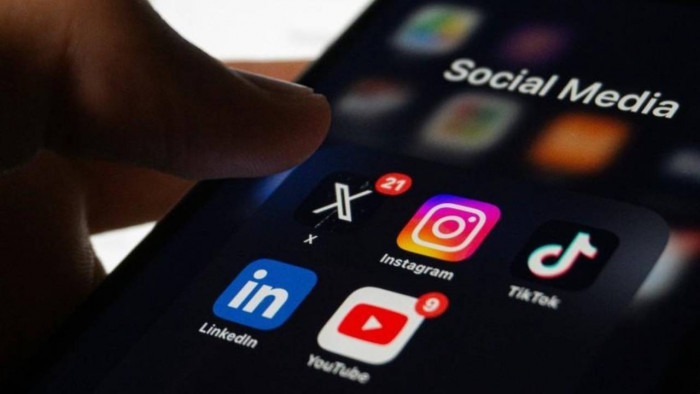
Instagram and TikTok use short-form videos and are perfect for behind the scenes content and information that can easily be relayed. X (or Twitter) is better for real-time information, while LinkedIn may be preferred for the business side of things, with teams reaching potential sponsors and business partners.

Fan Engagement is Everything
The thread that links all of these factors is fan engagement. Social media has done wonders to strengthen the link between fan and team, allowing both to grow a more rounded relationship that used to the case in the past.
Although there may be a sense of artificiality at times, it is largely accepted by both fan and team as the way that social media apps work. With increased advances in technology, the bond between the two is only likely to become even stronger in the years ahead.
Comments